❄️🤧🧣 Stay Well This Winter: Protect Yourself, Protect Others❄️ My Local Pharmacy Website
Muscle and Joint Problems Try the Get U Better App

Patient News

What is a “ghost patient”?
A “ghost patient” is someone who remains on the practice list despite having moved away or otherwise no longer being an active patient.
What you need to know – NHS list validation
You may receive a letter from NHS England or Primary Care Support England (PCSE). This is part of a routine process called list validation (or list cleansing). It helps ensure GP records are accurate across England.
Why this matters to you
Keeping a patient list correct helps GPs to ensure:
- You stay registered and can see your GP when you need to.
- You get important letters, including for screening, vaccinations etc.
- The practice gets the right funding to care for their patients.
What you need to do
If you or someone you care for gets a letter from NHS/PCSE asking you to confirm your/their details, please respond.
Do not ignore it.
- Follow the instructions in the letter.
- Confirm your details are correct.
- Let us know as soon as possible if you have moved.
What happens if you do not respond
If you do not respond and PCSE cannot confirm your details:
- They may remove you from the practice without you even knowing it.
- If you get removed, you will not be able to get an appointment with a GP until you re-register.
Need help
- Contact your practice via your usual preferred means.
- If you have friends or relatives who are patients, but have not contacted their practice in the last three years please encourage them to get in touch to update or confirm their details.
As the colder months approach, winter can bring extra challenges for our health and wellbeing. Colds, flu, and seasonal illnesses spread more easily, and colder weather can make existing health conditions worse.
Get Your Flu and COVID Vaccine – protect yourself and others
Vaccinations are one of the best ways to stay healthy this Winter
Flu Jab: Free for Eligible Groups including over 65s, pregnant women, carers, and those with long term health conditions
Covid Jab: are aged 75 or over (including those who will be 75 by 31 January 2027), are aged 6 months to 74 years and have a weakened immune system because of a health condition or treatment or live in care home for older adults
Our Flu and Covid clinics are on the following dates currently:
Thursdays and Fridays at Birch Hill (Saturdays from 31st October)
Saturday 10th October – Sandhurst Memorial Hall, 8am to 5:30pm
Saturday 17th October – Owlsmoor Surgery 8am – 12pm then Bucklers Park Community Centre 1pm – 5:30pm
You may also be eligible for other vaccinations, including the:
- Pneumococcal – if you're aged 65 or over
- RSV– if you are pregnant, aged 75 or over, aged 65 to 74 and have a weakened immune system or a long-term lung condition (this does not include asthma that is under control), or live in a care home for older adults
These vaccinations help protect against serious illnesses that are more common in the winter, including pneumonia.
Who's most at risk from cold weather?
Some people are more vulnerable to the effects of cold weather. This includes:
- people aged 65 and older
- babies and children under the age of 5
- people on a low income (so cannot afford heating)
- people who have a long-term health condition
- people with a disability
- pregnant women
- people who have a mental health condition
Unwell Child?
You can also download the Healthier Together app which provides trusted advice 247 and support with day-to-day queries such as pregnancy, feeding, sleep and development together with current topics from COVID to mental health and emotional well-being. Brings together not only national resources but what is available locally in Berkshire.
Children’s Health - Ringmead Medical Group
As children head back to school and we move closer to winter, now is a good time to familiarise ourselves with some of the common illnesses that can cause disruption to children’s time in school during the colder months. This blog post covers some of the seasonal illnesses that tend to rise during autumn and winter, as well as steps you can take now and throughout the coming term to help protect your family, including from cold weather.
A guide to keeping kids healthy this school year for parents and carers – UK Health Security Agency
Get advice if you feel unwell
If you're 65 or over, or in one of the other at-risk groups, it's important to get medical help as soon as you feel unwell.
You can get help and advice from:
- a pharmacy – pharmacists can give treatment advice for a range of minor illnesses including prescriptions for the following conditions without a GP appointment
- My Local Pharmacy Website provide free Blood pressure checks and Contraception (emergency, new and repeat prescriptions)
- GP – The quickest way of contacting the practice is using Rapid Health online triage Online Consultation - Ringmead Medical Group You can also call, using our new call back feature or come in person where our reception team are happy to help.
- NHS 111 – go to 111.nhs.uk or call 111 if you have an urgent medical problem and you are not sure what to do
The sooner you get advice, the sooner you're likely to get better.
In an emergency, go to A&E immediately or call 999
Our website has a dedicated Self -Referral Page and Self Care Advice
The practice has developed a self-referral page with local services you can access without needing a GP appointment.
Self Referrals - Ringmead Medical Group
Keep warm and get help with heating
Keeping warm over the winter months can help to prevent colds, flu and more serious health problems such as heart attacks, strokes, pneumonia and depression.
Heat your home to a temperature that's comfortable for you. If you can, this should be at least 18°C in the rooms that you regularly use, such as your living room and bedroom. This is particularly important if you have a health condition. It's best to keep your bedroom windows closed at night.
Check your heating and cooking appliances are safe. Contact a Gas Safe registered engineer to make sure they're working properly. You can find an engineer from the Gas Safe Register website.
Make sure your home is fire safe. For fire safety advice specific to you and your home, visit the online home fire safety check website to complete a safety check for your home.
Make sure you're getting all the help that you're entitled to. There are grants, benefits and advice available to make your home more energy efficient, improve your heating or help with bills.
Find out more about ways to save energy in your home from GOV.UK, or call the government helpline on 0800 444 202.
You can also find out more from GOV.UK about benefits and financial support if you're on a low income.
Look in on vulnerable neighbours and relatives
Remember that other people, such as older neighbours, friends and family members, may need some extra help over the winter. There's a lot you can do to help people who need support. Icy pavements and roads can be very slippery, and cold weather can stop people from going out. Keep in touch with your friends, neighbours and family and ask if they need any practical help, or if they're feeling unwell. Make sure they're stocked up with enough food supplies for a few days, in case they cannot go out. If they do need to go out in the cold, encourage them to wear shoes with a good grip and a scarf around the mouth to protect them from cold air, and to reduce their risk of chest infections. Make sure they get any prescription medicines before the holiday period starts and if bad weather is forecast. If they need help over the holiday period when the GP surgery or pharmacy is closed or they're not sure what to do, go to 111.nhs.uk or call 111. If you're worried about a relative or elderly neighbour, contact your local council or call the Age UK helpline on 0800 678 1602 (8am to 7pm every day). You can find your local council on GOV.UK. If you're concerned the person may have hypothermia, go to 111.nhs.uk or all 111.
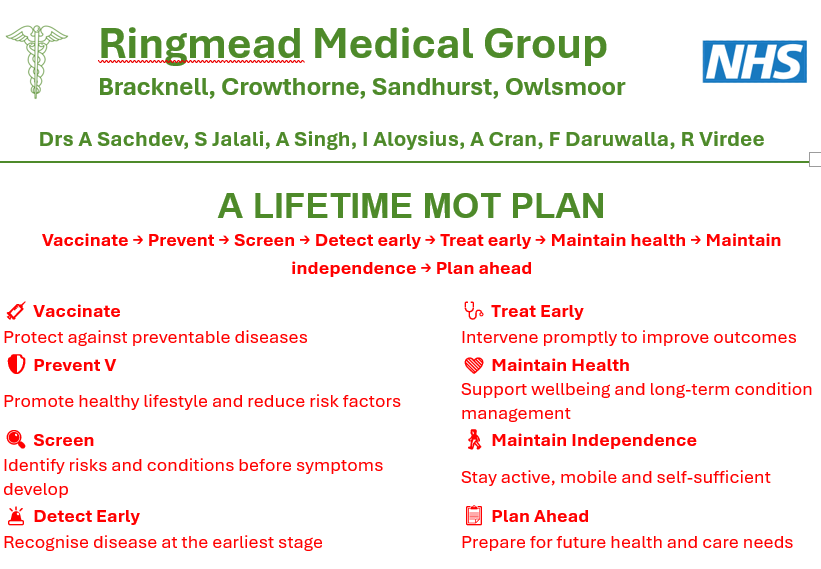
- CHILDHOOD: routine immunisations; newborn bloodspot; hearing, vision and developmental checks.
- Why this matters? preventable infections, complications/disability, and delayed detection of developmental, hearing or visual problems.
- NHS resources: NHS vaccinations | NHS newborn screening
- NHS resources: NHS vaccinations | NHS newborn screening
- TEENAGE YEARS: HPV and MenACWY vaccination; catch-up immunisations; sexual health; mental health; healthy weight/lifestyle.
- Why this matters? HPV-related cancers, meningococcal disease, untreated mental health problems and longer-term lifestyle-related disease.
- NHS resources: NHS vaccinations | HPV vaccine
- NHS resources: NHS vaccinations | HPV vaccine
- 20s - 30s: maintain vaccinations; sexual health; BP/BMI; mental health; lifestyle and risk-factor assessment.
- Why this matters? undiagnosed hypertension, diabetes, cardiovascular risk and untreated mental health or sexual health problems. Females - start of Cervical Cancer Screening
- NHS resources: NHS cervical screening
- NHS resources: NHS cervical screening
- 40s: regular BP checks; cardiovascular and diabetes risk assessment; lifestyle review; appropriate cancer screening (cervical).
- Why this matters? silent hypertension, diabetes and cardiovascular disease may remain undetected until heart attack, stroke or other complications, cervical cancer progression
- NHS resources: NHS Health Check
- NHS resources: NHS Health Check
- CANCER SCREENING throughout eligible age groups: bowel (50+), breast (50-71) and cervical screening (25-64) according to NHS age/eligibility criteria; Lung Cancer Screening for at risk (smoking history: 55 - 74), assess family history/genetic risk where appropriate eg Breast, Prostate, Ovarian, Lynch syndrome. NHS resources: NHS screening
- Why this matters? cancer may be diagnosed later, when treatment is more complex and outcomes are poorer; opportunities to prevent or detect cancer early are lost.
- 50s: NHS Health Check every 5 years (40 - 74); bowel cancer screening; breast/cervical screening where eligible; shingles and pneumococcal vaccination when appropriate, menopause assessments
- Why this matters? later detection of cancer and cardiovascular disease, alongside avoidable serious infections. NHS resources: NHS Health Check | NHS screening
- NHS shingles vaccine | NHS pneumococcal vaccine
- NHS shingles vaccine | NHS pneumococcal vaccine
- 60s: influenza/COVID vaccination as advised; shingles and pneumococcal vaccination; continue relevant cancer screening; assess falls, vision, hearing and osteoporosis risk.
- Why this matters? severe infection, shingles complications, falls, fractures and avoidable loss of independence.
- NHS resources: NHS vaccinations | NHS shingles vaccine | NHS screening
- NHS resources: NHS vaccinations | NHS shingles vaccine | NHS screening
- 70s+: annual flu/COVID vaccination; pneumococcal/shingles protection; medication review; falls/frailty; hearing/vision; cognition/mood; nutrition; continence; advance care planning.
- Why this matters? hospitalisation from infection, falls/fractures, medication-related harm, malnutrition, frailty and loss of independence.
- NHS resources: NHS vaccinations | NHS flu vaccine | NHS shingles vaccine
- NHS resources: NHS vaccinations | NHS flu vaccine | NHS shingles vaccine
- THROUGHOUT LIFE - lifestyle prevention: smoking cessation; healthy alcohol intake; exercise; diet/weight; dental health; mental wellbeing; sexual health.
- Why this matters? cumulative increased risk of cancer, cardiovascular disease, diabetes, respiratory disease, Sarcopenia, poor mental health and premature mortality.
- CARDIOVASCULAR PREVENTION: identify and manage BP, cholesterol, diabetes, smoking, obesity and atrial fibrillation according to individual risk.
- Why this matters? increased risk of heart attack, stroke, heart failure, kidney disease, Dementia and premature death.
- NHS resources: NHS Health Check
- NHS resources: NHS Health Check
- PERSONALISED PREVENTION: modify the programme according to family history, risk factors, occupation, socioeconomic circumstances and existing conditions, and your wishes.
- Why this matters? higher-risk individuals may be overlooked and opportunities for earlier intervention lost.
- NHS links checked September 2026. Links point to NHS resources; guidance, eligibility and vaccination/screening schedules can change, so the current NHS guidance should be checked.
- NHS links checked September 2026. Links point to NHS resources; guidance, eligibility and vaccination/screening schedules can change, so the current NHS guidance should be checked.
Dr Anant Sachdev September 2026
Frimley Healthier Together App 247 – Empowering parents, carers and young people with knowledge and easily accessible help at their fingertips.
When you are up with a sick child, unsure if you can stay at home or need to see someone and where; the website lays it out in a clear traffic light so you feel confident with the decision you make and what you can do at home.
You can find help with day to day queries such as pregnancy, feeding, sleep and development together with current topics from COVID to mental health and emotional well-being. Brings together not only national resources but what is available locally in Surrey, Hampshire, Berkshire and Bucks. There is a SMS option to share with other parents and young people and can be accessed on any device; phone, tablet or computer.
Download the app - www.healthiertogether.app
Website - frimley-healthiertogether.nhs.uk/
You can now contact your pharmacy directly for a consultation for the following 7 conditions for an appointment without speaking with us.
Earache (for people aged 1 to 17 years)
Impetigo (for people aged 1 year and over)
Infected insect bites (for people aged 1 year and over)
Shingles (for people aged 18 years and over)
Sinusitis (for people aged 12 years and over)
Sore throat (for people aged 5 years and over)
Urinary tract infections (UTIs) (for women aged 16 to 64 years)
Ringmead Medical Group has launched an official WhatsApp Channel to share trusted health information directly with the public. The team will be sharing short, visual messages on:
- Public health campaigns (e.g. flu, COVID-19)
- Health alerts and seasonal advice
- Key updates and announcements
The instructions for joining are:
- Click the link Ringmead Medical Group - WhatsApp channel
- Open Whatsapp
- Select updates
- Search Ringmead Medical Group
- Follow and turn on notifications
Please encourage family and friends to follow and share trusted information.
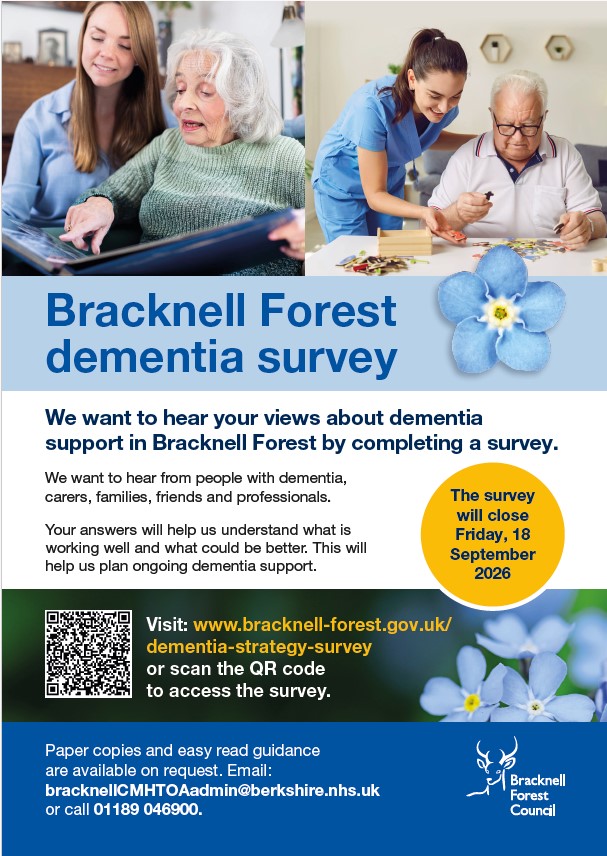
Bracknell Forest Council in partnership with their Dementia Lived Experience Group, health, care and voluntary sector partners are developing an Integrated Dementia Strategy for Bracknell Forest 2027 to 2032. They want to hear from people with dementia, people waiting for an assessment or diagnosis, unpaid carers, family members, friends, and professionals who support people living with dementia.
Your views will help them understand what is working well, where there are gaps, and what needs to improve across dementia prevention, diagnosis, support post diagnosis, services for carers and planning for the future. This will help shape local priorities and ensure the strategy reflects the experiences and needs of people in Bracknell Forest. Your feedback will play a key role informing the development of their five-year plan to support the Dementia Strategy.
Please scan the QR code or click on the link: http://www.bracknell-forest.gov.uk/dementia-strategy-survey
getUBetter is a free, NHS-approved app that provides personalised support for muscle, joint and soft-tissue problems, pelvic health concerns, perinatal changes and persistent pain.
It offers 24/7 guidance, progressive exercises and trusted self-management advice tailored to your stage of recovery. Designed to help you stay active, build confidence and manage symptoms safely at home, it supports both patients and clinicians.
Patient Tailored Care for MSK pain and Women's Pelvic Health
If you’re a patient at our practice, you can use the NHS App to access a range of NHS services on your smartphone or tablet.
It doesn’t replace existing services. You can still contact us in the usual ways. But, once you have verified your identity in the app, you will have easy, 24/7 access to a growing range of health services and information.
You need to prove who you are to get full access to the NHS App. You must also be aged 13 or over and be registered with a GP surgery in England or the Isle of Man. With full access you can:
Get advice and information:
- search symptoms, conditions, and treatments
- get health advice through 111 online
- find NHS services near you
- check your NHS number
Manage appointments:
- book and cancel appointments
- check your referrals and hospital appointments
- manage vaccinations
Manage prescriptions:
- nominate a pharmacy and order repeat prescriptions
Manage your health:
- access your GP health record securely
- register your organ donation decision
- take part in health research
Send and receive messages:
- send an online form about your symptoms, conditions, or treatment directly to the surgery
- receive messages and notifications
- view messages from your GP surgery and get notifications through your phone or tablet
Help someone else:
- link profiles. You can apply to access the health records, appointments and prescriptions of people you care for (including children) – or get help from someone you trust
If you already use [insert name of GP online service available at practice] you can continue to use it. But the NHS App will give you easy and secure access on your smartphone.
Keeping your data secure
To access the NHS App, you will need to set up an NHS login and prove who you are. Your NHS App then securely connects to information from your GP surgery.
If your device supports fingerprint detection or facial recognition, you can use it to log in to your NHS App each time, instead of using a password and security code.
If you have any problems using the NHS App, you can select ‘help’ in the top right-hand corner of the app or visit nhs.uk/helpmeapp.
Fostair to Luforbec switch
The primary care team in this practice are continually reviewing prescribing to provide patients with appropriate, high quality and cost effective medications for their conditions. We are keen to ensure that all our patients receive the best quality treatment whilst making the best use of NHS resources available to us.
Recently there have been a number of new inhalers released onto the market and the local NHS inhaler guidance has been updated with some of these new products.
If you were previously prescribed Fostair® pMDI inhaler this combination inhaler has changed to Luforbec® pMDI inhaler
This product contains Beclometasone dipropionate and formoterol fumarate. These inhalers are equivalent and contain exactly the same drugs at the same strength. You will notice a slight difference in the colour of the inhaler device and dust cap however they are used in exactly the same way. If you currently use a spacer device you should continue to do so.
Lurforbec is now the preferred formulary inhaler as the medication is the same but the inhaler is more cost effective for the NHS and has a lower carbon foot print 65.4g vs 93.7g CO2eq per puff
Inhalation technique for these type of inhalers is “SLOW and STEADY”. Please see ASTHMA UK inhaler technique resources https://www.asthmaandlung.org.uk/living-with/inhaler-videos . You should continue to take the same dose as advised by your doctor or nurse. Asthma is a condition that needs reviewed regularly even if you feel well as a severe asthma attack can happen at any time without warning. Please remember to attend your annual asthma review at the practice and take your inhalers with you.
However if you have any questions or concerns, please do not hesitate to contact the practice if you would like to speak to the practice pharmacist or your GP.
GP surgeries frequently now have teams of exceptionally skilled, qualified healthcare professionals who have the experience and competency to treat many of the patients who traditionally believe they need to see the GP.
- Medication reviews and queries are managed by a team of Clinical Pharmacists.
- Sprains, sports injuries and muscle pains are treated by a First Contact Practitioner.
- Blood Pressure checks, Contraception or the morning-after-pill can be accessed via the Community Pharmacist.
- When it comes to managing long-term conditions like Diabetes or Asthma, a Specialist Nurse Practitioner is the most appropriate professionals to assist you with your needs.
- NHS Pharmacy First advanced service can treat patients for the following 7 common conditions without the need to see a GP: Acute Otitis Media (ear infection), Impetigo, Infected insect bites, Shingles, Sinusitis, Sore throat and uncomplicated urinary tract infections.
- If you need help connecting yourself to activities, groups, and services in your community to meet the practical, social and emotional needs that affect your health and wellbeing, you can speak with our Social Prescriber.
- Our mental health practitioner concentrates on addressing your specific mental health requirements and provides a secure environment to discuss your emotions and explore ways to support them.
Utilising the experience of the full primary care team, ensures your GP is able to see the patients who need their expertise more quickly, reducing the demand on their time.
Your general practice team is here to help you | NHS
frimleyhealthandcare.org.uk/media/5491/social_cut_down_subbed_v2-original.mp4
How your General Practice team can help you | NHS
Right Care First Time #RightCareFirstTime
frimleyhealthandcare.org.uk/media/5488/paramedic_cut_down_subbed_v2-original.mp4
frimleyhealthandcare.org.uk/media/5487/mental_health_cut_down_subbed_v2-original.mp4
frimleyhealthandcare.org.uk/media/5489/physio_cut_down_subbed_v2-original.mp4
Pharmacy First
NHS Pharmacy First Service - What can your local community pharmacy offer?
How the Pharmacy First service works
Terry's story - Ask your pharmacist first
Ask your pharmacist first - Services offered.
Have your blood pressure checked at your local community pharmacy.
Ask your pharmacist first this winter if feeling unwell.
Weekend opening - Find a pharmacy - NHS

Childhood infections like measles and whooping cough continue to spread in our communities, with outbreaks linked to nurseries and schools across the country particularly affecting young children.
Such infections can have a huge impact on your child’s life. They can miss out on school due to time spent unwell, be hospitalised, and even experience life-long complications and disability.
If your child isn’t vaccinated, they’re not protected.
It is important for parents to take up the offer of the free NHS childhood immunisation programme as soon as they are offered ensure your child has the best protection.
However, if you or your child have missed a vaccine, it is never too late to check if you can catch up.
We are calling on all parents to check their child’s red book to see if the children have missed any vaccines or check with their GP if they are unsure.
Please visit www.nhs.uk/childhoodvaccinations for the full vaccine schedule and more information about vaccines.
Q&A
The following Q&A covers commonly asked questions relating to all childhood immunisations.
What are the “routine” childhood vaccinations?
Immunisation is a way of protecting against serious infectious diseases. Once we have been immunised, our bodies are better able to fight those diseases if we come into contact with them.
Routine immunisations are given to children before they start school to help protect them from serious childhood diseases.
How do vaccines work?
Vaccines contain a weakened form or small part of the bacterium or a virus that causes a disease, or tiny amounts of the chemicals that the bacterium produces. Vaccines work by causing the body’s immune system to develop memory to that infection. If your child comes into contact with the infection, the body will recognise it and can rapidly make antibodies (substances that fight off infection and disease) to protect him or her. Because vaccines have been used so successfully in the UK, diseases such as diphtheria have almost disappeared from this country.
Which immunisations will my child have and when?
You can find the full schedule of vaccinations on the NHS website.
Is it safe to have several vaccinations in one go?
Yes. From birth, babies’ immune systems protect them from the germs that surround them. Without this protection, babies would not be able to cope with the tens of thousands of bacteria and viruses that cover their skin, nose, throat and intestines. This protection carries on throughout life.
Studies have shown that it is safe to have several vaccinations at the same time and your baby will be protected as soon as possible from some very serious infections.
My child is unwell – can they still go for their vaccination?
If your child has a minor illness without a fever, such as a cold, they should have their immunisations as normal.
If your child is ill with a fever, put off the immunisation until the child has recovered. This is to avoid the fever being associated with the vaccine, or the vaccine increasing the fever your child already has.
Is natural immunity better? Will catching the disease make my child’s immune system stronger than a vaccine?
There is no other proven, effective way to immunise your child against infectious disease without experiencing the serious risk of that infection. Childhood infections can cause serious illness, hospitalisation and life-long disabilities.
Vaccines teach your child’s immune system how to create antibodies that protect them from diseases. It's much safer for your child’s immune system to learn this through vaccination than by catching the diseases and treating them.
Vaccines mean if your child comes into contact with the infection, the antibodies will recognise it and be ready to protect them.
Why does my child need multiple doses of some vaccines?
Most immunisations have to be given more than once to prepare your child’s immunity. For example, 4 doses of DTaP/IPV/Hib/HepB vaccine are needed to provide protection in babies. Booster doses are then given later in life to provide longer-term protection.
Are these immunisations necessary with such low cases of these diseases?
In the UK, these diseases, such as measles, are kept at bay by high immunisation rates. Around the world, millions of people a year die from infectious diseases with more than 5 million of these being children under the age of 5. Many of these deaths could be prevented by immunisation.
As more people travel abroad and more people come to visit this country, there is a risk that they will bring these diseases into the UK. The diseases may spread to people who haven’t been immunised, or who are still too young to be immunised.
Immunisation doesn’t just protect your child; it also helps to protect your family and the whole community, especially those children who, for medical reasons, can’t be immunised. Refer to reasons why your baby should not be immunised for details.
How do we know that vaccines are safe?
Before a vaccine is allowed to be used, its safety and effectiveness have to be thoroughly tested. After they have been licensed, the safety of vaccines continues to be monitored. All routine vaccines in the NHS programme have been used in millions of children worldwide and have an excellent safety record.
All health authorities worldwide agree that immunisation is the safest way to protect our children’s health.
Will there be any side effects from the vaccines?
Any side effects that occur are usually mild and short lived. Your child may get a little redness, swelling or tenderness where the injection was given that will disappear on its own. Fever can be expected after any vaccination. There is advice for parents on what to expect after vaccination here: What to expect after vaccinations - GOV.UK (www.gov.uk)
Fever is more common after the first two doses of the Meningococcal B (Men B) vaccination, which are given at 8 weeks and 12 weeks old. There is specific advice for parents on how to prevent and treat fever after MenB vaccine at 8 and 12 weeks here: MenB vaccine and paracetamol - GOV.UK (www.gov.uk)
I’m worried that my child may have allergies. Can they be vaccinated?
Very rarely, children can have an allergic reaction soon after immunisation. This reaction may be a rash or itching affecting part or all of the body. The doctor or nurse giving the vaccine will know how to treat this. It does not mean that your child should stop having immunisations.
- Anaphylactic reaction
Even more rarely, children can have a severe reaction, within a few minutes of the immunisation, which causes breathing difficulties and can cause the child to collapse. This is called an anaphylactic reaction. Anaphylactic reactions to vaccines are extremely rare, with only 1 anaphylactic reaction in about a million immunisations.
An anaphylactic reaction is a severe and immediate allergic reaction that needs urgent medical attention. The people who give immunisations are trained to deal with anaphylactic reactions and most children recover completely with treatment.
What if my child has an underlying health condition?
There are very few reasons why babies cannot be immunised. Vaccines should not be given to babies who have had a confirmed anaphylactic reaction to either a previous dose of the vaccine, or to any contents of that vaccine.
- Immunosuppressed children
In general, children who are ‘immunosuppressed’ should not receive certain live vaccines.
Children who are immunosuppressed include those whose immune system does not work properly because they are undergoing treatment for a serious condition such as a transplant or cancer, or who have any condition which affects the immune system, such as severe primary immunodeficiency. Primary immunodeficiencies are very rare diseases that mean you are more likely to catch infections. They are usually caused by a faulty gene and are diagnosed soon after birth.
If this applies to your child, you must tell your doctor, practice nurse or health visitor before the immunisation. These children can be best protected by ensuring those around them, for example their siblings, are fully vaccinated.
They will need to get specialist advice on using live vaccines such as MMR, rotavirus vaccine and Bacillus Calmette-Guérin vaccine (BCG).
There are no other reasons why vaccines should definitely not be given.
What about the MMRV and nasal spray flu vaccine? Are there any other reasons why my child should not receive these?
The MMRV and nasal flu vaccines are live attenuated vaccines (that is, they contain viruses that have been weakened). Children who are ‘immunosuppressed’ may not be able to receive live vaccines. Children who are immunosuppressed include those:
- whose immune system is suppressed because they are undergoing treatment for a serious condition such as a transplant or cancer, or
- who have any condition which affects the immune system, such as severe primary immunodeficiency. If this applies to your child, you must tell your doctor, practice nurse or health visitor before the immunisation. They will get specialist advice.
Can I check my child is up to date with their vaccinations?
If you are not sure if your child has had all their routine vaccinations, check their personal health record (red book) or contact your GP practice.
If your child is going abroad, make sure their routine immunisations are up to date. Your child may also need extra immunisations and you may also need to take other precautions.
How will I know when my baby’s immunisations are due?
Your doctor’s practice or clinic will send you an appointment for you to bring your baby for their immunisations. Most surgeries and health centres run special immunisation or baby clinics. If you can’t get to the clinic, contact the practice to make another appointment. All childhood immunisations are free. You can also find details in your child’s red book.
How can I catch up if my child has missed any vaccinations?
If you miss the appointment or need to delay the immunisation, make a new appointment. You can pick up the immunisation schedule where it stopped without having to start again.
Rotavirus vaccine can only be started in babies up to 15 weeks of age and no dose of the vaccine can be given over 24 weeks of age.
Do any routine childhood vaccines contain pork?
Gelatine is a substance derived from the collagen of animals such as chickens, cattle, pigs and fish. Porcine gelatine is used in some vaccines as a stabiliser. This is to ensure that the vaccine remains safe and effective during storage. Porcine gelatine is found in two of the vaccines routinely given to children: the MMRV vaccine and the nasal influenza vaccine.
In the UK we have two MMRV vaccines. Both work very well, one contains porcine gelatine and the other doesn’t. If you want your child to have the porcine gelatine free vaccine, discuss it with your practice nurse or GP.
If you are catching up your child who was born before 31 December 2019, there are also two MMR vaccines which work very well, one containing porcine gelatine and one without.
A flu vaccine injection is available that does not contain gelatine. If you would like your child to have the injection, speak to the person vaccinating your child or ask for the flu vaccine injection on the school consent form.
MMRV
What is the MMRV vaccine?
The MMRV vaccine will offer protection against measles, mumps, rubella, and chickenpox (clinically known as varicella). On 1 January 2026, the MMRV vaccine was introduced into the routine childhood immunisation schedule in the UK. When your child will be offered this vaccine depends on their date of birth.
The MMRV vaccine has been safely used for over a decade and is already part of the routine childhood vaccine schedule in several countries, including Canada, Australia and Germany.
What is measles?
Measles is caused by a virus that spreads very easily. Symptoms include high fever, rash, sore red eyes, cough and runny nose. Children can be off school for 10 days and 1 in 5 people with measles will be admitted to hospital.
Complications include chest infections, fits, encephalitis (infection of the brain) and brain damage. It is more severe in babies under one year old, pregnant women, and people with weakened immune systems. Around 1 in 5,000 people who catch measles die from the complications.
What is mumps?
Mumps is caused by a virus. Symptoms include fever, headache and painful, swollen glands in the face, neck and jaw.
Complications include hearing loss, meningitis, encephalitis, and painful swelling of the testicles and ovaries.
What is rubella?
Rubella is caused by a virus. In children it is usually mild and can cause a rash, swollen glands and a sore throat.
If pregnant women catch rubella it can affect their unborn baby, causing serious damage to their sight, hearing, heart and brain.
What is chickenpox (varicella)?
Chickenpox is a very infectious disease caused by the varicella zoster virus. It is very common in young children and causes a fever and an itchy, spotty rash. These spots can be painful and appear all over the body.
Some children have serious complications including chest infection, fits, and encephalitis. It is more severe in adults, especially pregnant women and people with weakened immune systems.
Later in life, the chickenpox virus can re-activate and cause a painful rash. This is called shingles. It is worse in older people and in people with weakened immune systems.
Why does my child need to be protected against chickenpox?
Chickenpox is a highly infectious disease that is very common in young children. It causes an itchy, spotty rash, and a fever. Most children with chickenpox will have a mild illness and recover after around a week. However, some children will have a more serious illness and need to be admitted to hospital. In rare cases, children can develop complications such as bacterial infections, brain and lung inflammation, and stroke. The vaccination will help prevent severe cases of chickenpox and the serious complications that can occur.
When will my child get the MMRV vaccine?
If your child was born on or after 1 January 2025 they will be offered:
- their first dose of MMRV at 12 months old
- their second dose of MMRV at 18 months old
If your child was born between 1 July 2024 and 31 December 2024, they should have already had one dose of MMR at 12 months. They will be offered:
- their first dose of MMRV at 18 months
- a second dose of MMRV at 3 years and 4 months
These children will receive 3 doses of a vaccine that protects against measles, mumps and rubella. There are no concerns with this additional dose, and it allows children in this age group to receive 2 doses of a vaccine that protects against chickenpox, helping to ensure they have good protection.
If your child was born between 1 September 2022 and 30 June 2024:
- they should have already had their first dose of MMR at 12 months
- they'll be offered one dose of MMRV at 3 years and 4 months (instead of their second MMR)
These children will be offered 1 dose of a vaccine that protects against chickenpox, which provides very good protection against severe disease.
Will there be a catch-up programme for older children?
A one-dose MMRV catch-up will be offered to children born between 1 January 2020 and 31 August 2022 (children aged under 6 years old on 31 December 2025). These children will be offered a catch-up MMRV vaccine between November 2026 and March 2028, if they haven't already had chickenpox or been vaccinated against it.
You don't need to worry about checking your child's medical history. When you're contacted about the catch-up programme, you can let the healthcare team know if your child has already had chickenpox or 2 doses of the chickenpox (varicella) vaccine. There are no safety concerns if a child gets the MMRV vaccine after having chickenpox, so if you can't remember if your child has already had chickenpox, or if you are unsure, it is better that they get the vaccine, if they’re eligible.
Children aged 6 or over at the end of 2025 won't be offered the MMRV vaccine as part of the routine programme or catch-up offers. They should have already received 2 doses of the MMR vaccine at 12 months and 3 year and 4 months of age. They can still get the MMR vaccine if they haven't already had both doses. Most children in this age group will have already had chickenpox infection.
Why is the varicella (chickenpox) being combined with MMR?
The MMRV vaccine provides greater protection against all four diseases.
- The MMRV vaccine has been shown to create long lasting protection against all four diseases.
- Using a combined vaccine for both the first and second dose means fewer injections are needed in a single immunisation visit.
- Previous attitudinal work has suggested that having fewer injections is preferred among parents, and a recent study among UK parents indicated that a combined varicella vaccine was preferred to separate vaccines.8
- Countries that have introduced programmes have observed a significant impact on cases of varicella and resulting hospitalisations. In countries introducing a 2-dose schedule, younger cohorts not eligible for vaccination have also seen reduced incidence because of reduced community transmission.9
What if my child has already had chickenpox?
Even if your child has already had chickenpox, there are no safety concerns if a child gets the MMRV vaccine. This will protect them against measles, mumps and rubella, as well as chickenpox.
Are there any side effects from the MMRV vaccine?
Vaccines offered by the NHS are thoroughly tested to assess how safe and effective they are. All medicines can cause side effects, but vaccines are among the safest. Common side effects do not usually last long and are mild, such as a sore arm, fever, and a rash around the site of the injection.
How will my child be offered the MMRV vaccine?
You’ll usually be contacted by your GP practice when your child is due for a routine vaccination like MMRV. This could be a letter, text, phone call, or email.
If you know your child is due for a vaccination and you have not been contacted, you can speak to your GP practice to book the appointment.
Which vaccines are available? Is there a porcine gelatine free version?
There are 2 MMRV vaccines which work equally well: ProQuad and Priorix Tetra. ProQuad contains porcine gelatine (gelatine from pigs) and Priorix Tetra does not. If you want your child to have the vaccine without gelatine, talk to your practice nurse or GP.
Why can't my child have the vaccines separately?
Only the MMRV vaccine will be used in the routine vaccination programme, as this offers the best available protection against four diseases with 2 doses. Having the vaccines separately would mean 8 injections, and fewer children would be protected sooner against these diseases. If children don’t have protection against all 4 of these diseases, the risk of the resurgence of the infections rises.
Could this vaccine overload my child’s immune system?
Giving your child the MMRV vaccine alongside the other vaccines given at the same age will not overload their immune system. From birth, a baby’s immune system protects them from the germs that surround them. Studies show it is safe to have several vaccinations at the same time.
Does the chickenpox vaccine protection last for life?
MMRV is a simple way to protect your child against measles, mumps, rubella and chickenpox. Since the MMR vaccine was introduced in 1988, cases of measles, mumps and rubella have all fallen to extremely low levels. MMRV offers the same protection as MMR (measles, mumps and rubella), but adds protection against chickenpox. In countries where children already get a chickenpox vaccine, cases of chickenpox have also fallen dramatically. Studies so far show that the protection given by 2 doses of vaccine does not reduce over time.
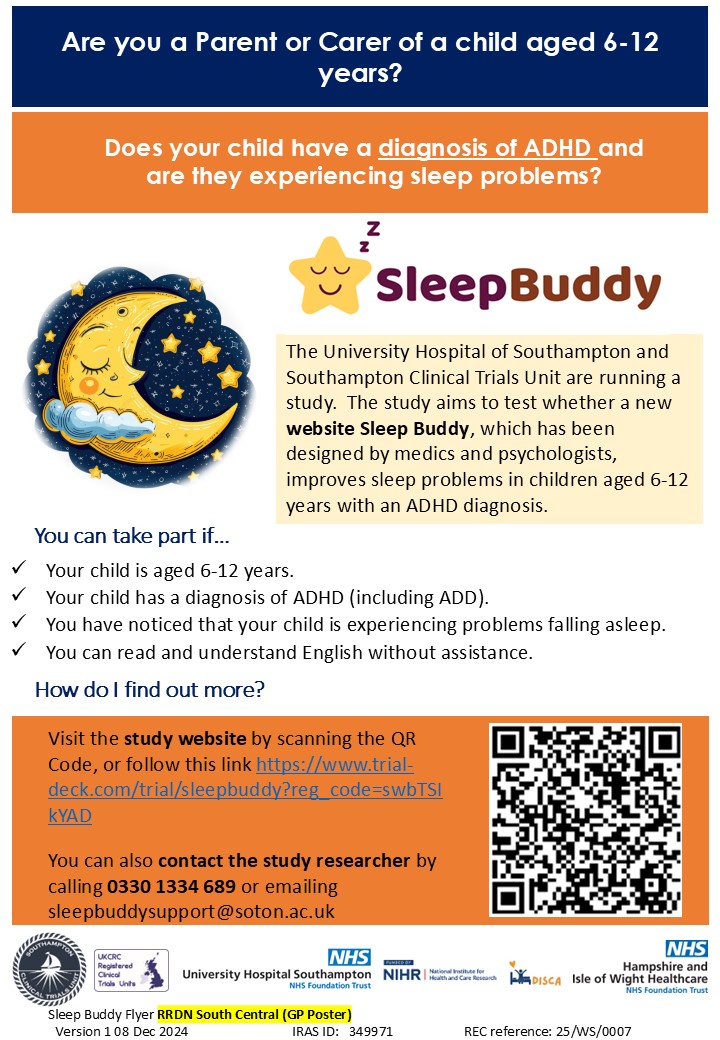
NHS Frimley wants to understand patients’ experiences using local services, the decisions patients make about healthcare and why, and what matters most to patients when they need healthcare. This will help them identify potential ways to improve NHS health services in Frimley and shape plans for how services are delivered in the future.
You may receive an invitation via email or SMS from your GP to take part in this optional and anonymous online survey.
This is run in collaboration with a company called Thiscovery and you can read find out more on the project page, on the Thiscovery website
Coronavirus disease (COVID-19) is an infectious disease caused by the SARS-CoV-2 virus.
Most people infected with the virus will experience mild to moderate respiratory illness and recover without requiring special treatment. However, some will become seriously ill and require medical attention.
COVID-19 is not a seasonal illness, with cases all year round. During the winter it can circulate at the same time as the seasonal respiratory infections such as RSV and flu.
The Joint Committee on Vaccination and Immunisation (JCVI) has updated its advice for the autumn 2025 COVID-19 vaccination programme, which has been accepted by Ministers. The focus of the programme is shifting towards targeted vaccination of those at highest risk of serious disease.
For autumn 2025, COVID-19 vaccination will be offered to:
- adults aged 75 years and over
- residents in care homes for older adults
- individuals who are immunosuppressed, aged 6 months and over
This represents a change from the autumn 2024 programme, which also included adults aged 65 to 74, all those aged 6 months and over in a clinical risk group and pregnant women.
The eligibility is the same across the four nations of the UK (England, Scotland, Wales and Northern Ireland).
The vaccine should usually be offered no earlier than around 6 months after the last vaccine dose. Those who are eligible can get protection from an autumn COVID-19 vaccination even if they have not taken up a COVID-19 vaccine offer in the past.
We understand that determining having a weakened immune system (immunosuppression) may be less straight forward than the other criteria. Some of the groups eligible include:
- Organ, bone marrow or stem cell transplant patients
- Those being treated with systemic steroids for more than a month
- Those living with HIV
- Those receiving immunosuppressive or immunomodulating biological therapy, including children who are about to receive therapy
- Those undergoing chemotherapy or radiotherapy
- Those requiring long-term treatment for immunosuppression
- Those with a history of haematological malignancy including chronic leukaemia, lymphomas, and leukaemia
- Those with genetic disorders affecting the immune system
While this list summarises some major groups, it does not cover everything. Please check online at nhs.uk/get-vaccine to see who is eligible.
FAQs
Who is eligible for COVID-19 vaccination?
The Joint Committee on Vaccination and Immunisation (JCVI) has updated its advice for the autumn 2025 COVID-19 vaccination programme, which has been accepted by ministers. The focus of the programme is shifting towards targeted vaccination of those at highest risk of serious disease.
For autumn 2025, COVID-19 vaccination will be offered to:
- adults aged 75 years and over
- residents in care homes for older adults
- individuals who are immunosuppressed aged 6 months and over
This represents a change from the autumn 2024 programme, which also included adults aged 65 to 74 and all those aged 6 months and over in a clinical risk group.
The eligibility is the same across the 4 nations of the UK (England, Scotland, Wales and Northern Ireland).
The vaccine should usually be offered no earlier than around 6 months after the last vaccine dose.
I was eligible for the COVID-19 vaccine last winter, why am I no longer eligible this winter?
Thanks to the success of our vaccine programme, we have built a strong, broad immune defences against COVID-19 throughout the population.
Joint Committee on Vaccination and Immunisation (JCVI) advice has continued to adapt as COVID-19 has changed from a pandemic threat to becoming a common milder infection. The JCVI has updated its advice for the autumn 2025 COVID-19 vaccination programme, which has been accepted by ministers. This represents a change from the autumn 2024 programme, which also included adults aged 65 to 74, all those aged 6 months and over in a clinical risk group, and pregnant women.
The focus of the programme is shifting towards targeted vaccination of those at highest risk of serious disease.
1. Introduction
The purpose of this policy is to establish robust principles and procedures governing the fair and equitable use of the Rapid Health online booking system by all registered patients of Ringmead Medical Group. This policy is designed to optimise accessibility, uphold clinical safety, and ensure the responsible utilisation of appointment resources in accordance with nationally recognised best practice standards.
This policy is aligned with guidance and recommendations from the British Medical Association (BMA), National Institute for Health and Care Excellence (NICE), Care Quality Commission (CQC), Royal College of General Practitioners England (RCGP England), Healthwatch England, The King’s Fund, and NHS England.
2. Scope
This policy applies exclusively to patients registered at Ringmead Medical Group who access Rapid Health for the following purposes:
- Booking appointments with General Practitioners (GPs), clinicians, or allied health professionals.
- Requesting medical advice or clinical triage through the digital platform.
- Cancelling or rescheduling existing appointments online.
This policy does not encompass bookings made via in-person visits, telephone calls, or alternative online systems managed directly by practice staff.
3. Principles of Fair Use
Ringmead Medical Group is committed to implementing online booking practices that adhere to national digital health standards and promote equitable patient access.
These principles are underpinned by BMA and NHS England guidance, as well as recommendations from CQC and The King’s Fund:
- All registered patients should have equal opportunity to access online appointment facilities, without discrimination or exclusion.
- Online booking systems should incorporate robust security measures and data privacy protections in accordance with NHS England and CQC standards.
- Appointment availability should reflect clinical capacity and prioritise urgent medical needs as per NICE and RCGP England guidance.
- Feedback mechanisms should be in place to allow patients to report concerns or suggest improvements, informed by Healthwatch England’s advocacy for patient voice.
4. Responsible Use and Patient Responsibilities
All patients are expected to use the Rapid Health online booking system responsibly, in accordance with the following obligations:
- Patients must ensure that bookings are made for legitimate clinical reasons and refrain from reserving multiple or unnecessary appointments, in line with BMA guidance.
- Appointment slots should be cancelled or rescheduled as soon as possible if no longer required, to facilitate optimal resource utilisation for all patients.
- Persistent misuse, such as repeated no-shows or excessive cancellations, may result in restricted access to online booking, subject to review in accordance with CQC regulatory requirements.
- Patients must provide accurate and complete information when submitting booking requests or seeking clinical advice via the digital platform.
5. Clinical Safety and Safeguarding
Ringmead Medical Group prioritises the safety and wellbeing of all patients accessing online services.
- Online booking processes are subject to periodic review and audit to ensure compliance with NICE, CQC, and RCGP England clinical safety standards.
- Safeguarding procedures are integrated into digital triage workflows to identify and support vulnerable patients, with reference to The King’s Fund and NHS England safeguarding frameworks.
- Patients requiring urgent or emergency care will be directed to appropriate services in accordance with NICE and NHS England escalation protocols.
6. Continuous Improvement and Patient Engagement
This policy will be reviewed annually or in response to substantive changes in national guidance or local practice requirements. Patient feedback will inform ongoing improvements to digital access and booking procedures, as advocated by Healthwatch England and The King’s Fund.
- Patients are encouraged to engage with practice surveys and consultation initiatives relating to digital health services.
- Significant amendments to this policy will be communicated via practice noticeboards, newsletters, and the official website.
7. References
All guidance documents and further reading referenced within this policy are available at:
- NHS England. Digital Primary Care: The Good Practice Guidelines for GP electronic patient records (GPGv5). https://www.england.nhs.uk/digital-gp-good-practice-guidance/
- Care Quality Commission. GPs and online primary care: information for providers. https://www.cqc.org.uk/guidance-regulation/providers/gps
- Royal College of General Practitioners. GP online services toolkit. https://elearning.rcgp.org.uk/mod/book/tool/print/index.php?id=13455
- Rapid Health FAQs. Rapid Health is classified as a Class I medical device. https://chawtonhousesurgery.co.uk/RapidHealthFAQ/
- NHS Digital. NHS Login. https://digital.nhs.uk/services/nhs-login
- Guideline on safe triage and remote consultation in primary care. https://www.nice.org.uk
This policy reflects Ringmead Medical Group’s enduring commitment to safe, equitable, and high-quality patient care through innovative digital solutions.
This policy establishes principles and procedures to ensure that the Rapid Health online booking system is used fairly and equitably by all registered patients. It aims to optimize access, maintain clinical safety, and prevent persistent misuse of appointment slots.
Our Team wanted to say a BIG THANK YOU for your support during this transition period.
In the first week we dealt with:
1,778 adult medical requests
1,378 (78%) automatically booked appointments
299 children requests
We hope it has shown a great choice of appointments with our experienced clinicians and flexibility of appointments to suit around your needs.
Many thanks for your positive feedback about the new system!
Please do try to complete the online form as it is quicker and allows us to focus on any urgent issues for our vulnerable patients who call the practice.
The staff can text you a link with a video showing how to complete the form.
Please find information regarding important practice updates including Rapid Health and Healthier Together App for Children.
Appointments for Children and Young People (Age Under 16) is open from Monday to Friday 8am -1pm
Please use the NHS Healthier Together App to assess your child’s illness which can direct you to the appropriate services including practice appointments https://www.healthiertogether.app/
Telephone appointments booked through Rapid Health
Please may we kindly remind you that telephone appointments booked are an approximate time.
If you have been scheduled for a telephone appointment in the morning or afternoon, please be advised that the time provided is an approximate time.
Our clinicians will aim to call you around 1-2 hours of that time but please be aware due to clinical complexity and unpredictability of emergencies on the day, some patients may need more time and support outside our control.
If you require a specific time, please let our reception team know and we will do our best to accommodate
Please download the NHS app!
You can check your test results, order prescriptions and so much more!
Pharmacy First!
You don’t need a GP appointment for 7 common illnesses.
They also provide a free contraceptive and blood pressure monitoring service
- Acute Ear Pain - 1 to 17 years
- Impetigo - 1 year and over
- Infected insect bites 1 year and over
- Shingles - 18 years and over
- Sinusitis - 12 years and over
- Sore throat - 5 years and over
- Uncomplicated urinary tract infections - Women 16-64 years**
We appreciate your kindness as we adjust as a team to support you.
We are committed to ensuring you receive the right care you need at the right time
Many thanks for your support
Ringmead Medical Group
Dear Patients,
Please find recent advice from the Medicines and Healthcare products Regulatory Agency (MHRA) who confirm taking paracetamol during pregnancy remains safe and there is no evidence it causes autism in children
Dr Alison Cave, Chief Safety Officer at the MHRA, said:
Patient safety is our top priority. There is no evidence that taking paracetamol during pregnancy causes autism in children.
Paracetamol remains the recommended pain relief option for pregnant women when used as directed. Pregnant women should continue to follow existing NHS guidance and speak to their healthcare professional if they have questions about any medication during pregnancy. Untreated pain and fever can pose risks to the unborn baby, so it is important to manage these symptoms with the recommended treatment.
Our advice on medicines in pregnancy is based on rigorous assessment of the best available scientific evidence. Any new evidence that could affect our recommendations would be carefully evaluated by our independent scientific experts.
We continuously monitor the safety of all medicines, including those used during pregnancy, through robust monitoring and surveillance.
Thank you
We’re excited to let you know that in just one week, we’ll be transitioning to Rapid Health—our new online consultation tool. Rapid Health will provide a faster and more convenient way to request medical or administrative assistance.
What You Need to Know:
- Klinik will close on Friday 19th September
- No pre-booked appointments – we are currently fully booked from 17th September till 23rd September for routine appointments. All of our clinicians will be operating an urgent only service on 22nd and 23rd September until we go live for issues that cannot wait
- You will be able to submit requests directly through our website using Rapid Health on Wednesday 24th September.
- Based on your needs, Rapid Health may offer you an appointment to book directly, if appropriate.
- To ensure you can access appointment booking, please make sure we have your email address by completing the “Change of personal details” online form
Change of Personal Details - RINGMEAD MEDICAL GROUP
To help you navigate the new system, we have a Frequently Asked Questions section and a video guide available at RINGMEAD MEDICAL GROUP, where you can learn more about how to use Rapid Health.
Please note that during this transition, we may experience a higher volume of queries, so wait times may be longer than usual. We appreciate your patience and kindness as we work to improve our services for you. Thank you for your understanding.
The practice will NOT be using the online system for the following appointments which can still be booked by telephoning our Reception Team:
- Home visits (please call the practice before 11am)
- Palliative care patients
- Routine practice nurse appointments
- Annual reviews with our clinical team (e.g. Diabetes, Asthma, COPD, Blood pressure, NHS Health Checks, Dementia and Learning Disability reviews)
- Medication reviews with our clinical pharmacists
- Temporary registered patients
- Those who require translation services
- 6-8 week Baby Checks and Postnatal Reviews
Carers and housebound patients – If you look after somebody, are looked after by a carer or if you are housebound, please tell our reception team. It is important that we have this information on your medical records so that we can provide appropriate care and support.
We appreciate that not all patients may be able to use online services or access our new online consultation tool Rapid Health on 24th September. We would like to reassure you that our reception team are always available to help you over the phones and in person at the practice, as usual. They will guide you through the online triage system.
One in three adults have high blood pressure in the UK, but many don’t realise it because it doesn’t have any symptoms.
So, all adults should have their blood pressure checked.
Knowing your blood pressure numbers is the first step to a long and healthy life. Along with other tests such as your blood cholesterol, they’re a sign of how healthy you are overall, and whether your heart and blood vessels are in good health. Think of a blood pressure check as part of an MOT for your body.
See where you can have a check, and what’s involved.
How can you tell if you have high blood pressure?
People are often shocked to find out they have high blood pressure. Perhaps thinking it only happens to older people or people who are very overweight or unhealthy. Others think there will be signs and symptoms, like headaches or feeling dizzy. In reality, it can happen at any age, and most people don’t feel any different.
The only way to know if your blood pressure is healthy is to have a check, and to keep having them regularly.
If you do notice anything unusual, for example blood shot eyes, headaches or generally feeling unwell, it’s always safest to make an appointment with your GP to see what’s going on.
Who should have a blood pressure check?
High blood pressure can develop at any age. Over 2.1million adults under 45 had high blood pressure in England in 2015.
If you are under 40 and you don’t know your numbers, it’s a good idea to have a check, especially if you’re carrying extra weight, you smoke, or you have any of the other health problems that mean you’re more likely to have high blood pressure.
High blood pressure becomes more common with age, so if you are over 40, you should get a blood pressure check at least every five years.
How often should I get my blood pressure checked?
How often you should have a check will depend on your blood pressure reading.
As you get older, your blood pressure is likely to creep up and you should get it checked more often than every five years. You should also have checks more often if your blood pressure is over 120/80mmHg. Read more about what the numbers mean.
If your blood pressure is healthy
If your blood pressure is in the healthy range, between 90/60mmHg and 120/80mmHg, keep having checks at least every five years.
If your blood pressure is slightly raised
If your numbers were between 120/80mmHg and 139/89mmHg last time you had a check, then it’s best to get your blood pressure checked every year, and at least every five years. High blood pressure is usually diagnosed if your numbers reach 140/90mmHg. You should also start taking steps to lower your blood pressure.
If you have high blood pressure
If you have a reading which is over 140/90mmHg, you should go to your GP if you had your check elsewhere. High blood pressure is usually diagnosed when your numbers are consistently over 140/90mmHg. Speak to your doctor about how often you should have checks.
You might need to have checks quite often to begin with, perhaps every few weeks, while you get your blood pressure under control. Then less often, perhaps once every six months to a year.
If your reading is very high
If your reading is over 160/100mmHg you should see your GP. If it’s over 180/110mmHg make sure you see them within 48 hours, and if you have any unusual symptoms as well such as blurred vision or headaches then see them straight away.
Read about what happens next if you are diagnosed with high blood pressure.
You might also find it helpful to measure your blood pressure at home using a home monitor.
At Ringmead Medical Group, we’re committed to delivering the highest standard of care for our patients. We are excited to announce that we will changing our online system from Klinik to Rapid Health on Wednesday 24th September 2025 to beat the 8am rush.
This advanced online consultation system is designed to enhance your experience by offering quicker, more efficient way to access care with choice of appointments, times and locations to suit you.
The current Klinik system will continue to operate until the end of the day on Friday 19th September 2025. You will still be able to contact the practice via telephone or in person as usual.
Why we’re Making This Change?
With the ever-growing demand within the NHS, we are continuously looking at ways to improve the booking process, increase capacity and continuity of care.
Although our current Klinik online system helped us make big improvements with reducing our phone times and improving accessing to the practice, your shared experiences demonstrated the need to improve:
- Our waiting times & online system
- Having more choice of appointment types, times & locations to suit your needs
- Seeing the same clinician if possible
That’s why we are introducing Rapid Health to meet your needs more efficiently and improve the overall experience for both patients and our practice team.
What is Rapid Health?
Rapid Health a certified NHS medical tool that follows strict GDPR and NHS Digital security standards. It can guide you to the appropriate next steps, whether that’s self-care advice, or offering a choice of appointment options which can then be booked directly.
How will it benefit you?
- Faster and Fairer access to care: The system can help us to triage your symptoms and direct you to the appropriate service or team member more efficiently based on medical need.
- Real-time appointment booking: If your situation requires an appointment, Rapid Health may automatically offer you a range of appointment choice based on your needs which suits you.
- User-friendly experience making it easier to access the Right Clinician, Right Place, Right Time
What Do Patients, Families & Carers Need to Do?
We understand that using a new healthcare system can raise many questions. To help make your experience as smooth as possible, we’ve compiled a list of FAQs for Rapid Health on our website. Here, you’ll find answers to common questions about how to use the system, book appointments, manage prescriptions, and more. Our goal is to provide you with clear and helpful information, so you feel confident navigating Rapid Health and accessing the care you need
This system requires patients or carers to complete a simple online form. You will receive an email offering you an appointment or appropriate advice. If available you will have the choice of which GP and healthcare professional you can see, and if you would like a face to face or telephone appointment.
To ensure you can access and make the most of the new appointment online booking system Rapid Health:
Please update your EMAIL ADDRESS and CONTACT DETAILS with the practice by completing the “Change of Personal Details - RINGMEAD MEDICAL GROUP” online form or through the NHS app.
Please check the current email address we hold for you is current and accessible
For those who do not use email, cannot use a computer, or simply prefer to speak with us, our phone lines and reception team will continue to be available to help you, as usual.
Thank you for your ongoing support – stay tuned more updates as we get closer to the launch date 24th September 2025!
A Faster, Smarter Way to Access Care!
At Ringmead Medical Group, we’re committed to delivering the highest standard of care for our patients. We are excited to announce that we will be changing our online consultation system from Klinik to Rapid Health on Wednesday 24th September 2025.
This new system is designed to enhance your experience by offering quicker, more efficient way to access care with choice of appointments, times and locations to suit you.
Why We're Making This Change
Listening to your feedback, we recognised the difficulties in contacting the practice to make appointments due to high demand and the 8am rush.
Although our current Klinik online system helped us make big improvements with reducing our phone times and improving accessing to the practice, your shared experiences demonstrated the need to improve:
- Our waiting times and online system
- Having more choice of appointment types, times and locations to suit your needs
- Seeing the same clinician if possible
That’s why we are introducing Rapid Health to meet your needs more efficiently and improve the overall experience for both patients and our practice team.
Many practices in Surrey Heath are already using Rapid Health and have received positive feedback with the new online system from both patients and staff. We are confident that it will benefit you.
What is Rapid Health?
Rapid Health is an advanced online consultation tool that helps streamline how you access care. It can guide you to the appropriate next steps, whether that’s self-care advice, or offering a choice of appointment options which can then be booked directly. This will help reduce waiting times, allowing you to get the care you need more quickly with more choice over when and how this happens.
How will it benefit you?
- Faster and Fairer access to care: The system can help us to triage your symptoms and direct you to the appropriate service or team member more efficiently based on medical need.
- Real-time appointment booking: If your situation requires an appointment, Rapid Health may automatically offer you a range of appointment choice based on your needs which suits you.
- User-friendly experience making it easier to access the Right Clinician, Right Place, Right Time
What Happens Next?
Rapid Health system will go live on Wednesday 24th September 2025.
The current Klinik system will continue to operate until the end of the day on Friday 19th September 2025.
You will still be able to contact the practice via telephone or in person as usual.
We are working hard to ensure a smooth transition for all and appreciate your support during this transition period.
What Do Patients, Families & Carers Need to Do?
To ensure you can access and make the most of the new appointment online booking system Rapid Health:
Please update your EMAIL ADDRESS and CONTACT DETAILS with the practice by completing the “Change of Personal Details - RINGMEAD MEDICAL GROUP” online form
Or The NHS app https://m.youtube.com/shorts/Hm3LD5sd3NE
Please check the current email address we hold for you is current and accessible
For those who do not use email, cannot use a computer, or simply prefer to speak with us, our phone lines and reception team will always be available to help you.
Data Security & Privacy
Rapid Health is a certified NHS medical tool that follows strict GDPR and NHS Digital security standards. Patient information remains secure and confidential at all times.
Like To Know More?
Please find below links for video guide and frequently asked questions
Rapid Health - Patient Explainer on Vimeo
Frequently Asked Questions RINGMEAD MEDICAL GROUP
Thank you for your ongoing support – stay tuned more updates as we get closer to the launch date 24th September 2025!
There is a staged rollout of Tirzepatide (Mounjaro®) for weight loss in primary care. This will be implemented over an initial three-year period, during which eligibility will gradually expand based on health need and clinical benefit, eventually aligning with the broader NICE recommendations.
The phased approach is designed to ensure that healthcare professionals can continue to meet the full spectrum of their patients' health needs while supporting equitable and clinically appropriate access to treatment.
Prioritisation and Eligibility Criteria
Access to Mounjaro® will initially be prioritised for patients with the greatest clinical need. This approach has been developed through engagement with clinical experts and key organisations.
The following weight-related health conditions will be used to prioritise access:
- Type 2 diabetes mellitus
- Hypertension
- Heart disease
- Obstructive sleep apnoea
- Abnormal blood fats (dyslipidaemia)
In the first phase, eligibility will include individuals living with obesity who:
- Have been diagnosed with four of the above conditions AND
- Have a BMI of 40 or more (adjusted for ethnicity)
Additional Support
Patients who begin treatment with Mounjaro® in primary care will also receive wraparound support, including tailored dietary and physical activity advice.
Next Steps for Practices
Frimley Integrated Care Board will provide further guidance to practices in due course. Initially, only a small number of patients will meet the eligibility criteria, and the practice will proactively contact those who are eligible over the coming weeks—there is no need for patients to contact the surgery directly at this stage.
You may read further information here.
Welcome to Ringmead Medical Group May 2025 newsletter.
To see the full content of the May 2025 newsletter please go back to the home page and click on the pink Newsletter box.
Dr Anjan Chaudhari Retirement
Sadly, Dr Anjan Chaudhuri, GP Partner left the practice at the beginning of April to begin his well-earned retirement. We were all very sorry to see him go and wish him all the very best in his retirement. All of his registered patients have been redistributed to another GP Partner.
We welcome several new members of staff to Ringmead Medical Group in January and February.
Michelle Rees-Williams Paramedic Practitioner, Sofia Lecky Diabetic Nurse, Dr Junaid Saeed Salaried GP, Salina Gurung GP Assistant, Sue Operations Administrator and Cherie in the PSA team.
Some local pharmacies may have different opening hours over the May bank holiday.
To find an open pharmacy near you visit https://nhs.uk/service-search/pharmacy/find-a-pharmacy.
Some local pharmacies may have different opening hours over the May bank holiday.
To find an open pharmacy near you visit https://nhs.uk/service-search/pharmacy/find-a-pharmacy.
Do you need specialist transport to attend hospital?

The provider of our non-emergency patient transport service is changing from South Central Ambulance Service to EMED Group.

From 1 April onwards, if you, your carer or family member is booking transport, call EMED booking and information team on 0300 777 3333.

After this first call, bookings can be made and managed through their online Patient Zone. Any bookings you make before 1 April will be automatically transferred to EMED Group.
To find out more about patient travel support, visit our website

Do you need specialist transport to attend hospital?
The provider of our non-emergency patient transport service is changing from South Central Ambulance Service to EMED Group.
From 1 April onwards, if you, your carer or family member is booking transport, call EMED booking and information team on 0300 777 3333.
After this first call, bookings can be made and managed through their online Patient Zone. Any bookings you make before 1 April will be automatically transferred to EMED Group.
To find out more about patient travel support, visit our website
Following the CQC report (August 2024) Ringmead Medical Group received a rating of requires improvement in two areas, Safe and Well-Led.
Safe Requires improvement
Effective Good
Caring Good
Responsive Good
Well-led Requires improvement
Since August 2024 we have been working hard to make the improvements needed as we are committed to improving our patient services and ensuring patient safety. We are pleased to say that we have already addressed many of the points raised and are working hard to ensure any remaining concerns or actions are resolved as soon as possible.
We have recruited to the senior management team to help lead and manage the practice with key responsibilities for quality, CQC requirements and governance processes in both clinical and non-clinical areas. The management team meet regularly with Frimley ICB to discuss progress, and we submit monthly reports directly to CQC as part of our action plan.
We continue to employ new staff including permanent GPs, clinical and non-clinical staff to the team to increase capacity of urgent and routine appointments and help with processing of prescriptions, incoming mail, and quality work internally.
On inspection, CQC rated some areas of care provision as good with many positive findings as detailed in their report. CQC also highlighted a number of areas in which we need improvement, below is a summary of the key actions we have taken and processes we are maintaining.
Complaints Management: We have revised our complaints policy on handling complaints to ensure we respond within the correct timeframe and all points of concern are answered. We have developed a post analysis tool to understand themes of complaints in order to improve our patient services and minimise the risk of a repeating poor service.
Significant Event Analysis: As part of the learning culture within the practice, we discuss and review all significant events (SEAs) with the whole team. SEAs can be positive or learning events to be reviewed, we have a SEA form to document SEAs and to help aid discussion.
Medical alerts for medicines and devices: (MHRA): We have improved the documentation of MHRA’s that we receive in order to act on them promptly, MHRAs are tracked to ensure a full cycle of completion.
Shared Learning: CQC identified opportunities for quality improvement and learning from complaints or SEAs. We are reviewing how we share the learning from events such as complaints, incidents, SEAs and revised our processes.
We have developed a practice quality learning resource portal page for all staff where we share all complaints, SEAs, MHRAs and support resources. We have a quality management team who meet regularly to review practice complaints, SEAs, and analyse the data in order to improve the quality of our services for patients. We discuss such events at various clinical and non-clinical meetings so all staff understand what we are doing well, where we could improve or to celebrate good work.
Outstanding patient reviews: We have improved our processes and management of these patient groups and are proactively inviting in patients for reviews. The back log of reviews is now reduced and is part of the routine recall processes.
Mandatory staff training: We reviewed all staff training records and identified any outstanding training. All staff take part in regular training, this training is monitored to ensure staff remain compliant and up to date to ensure to our team provides the best and safest care, armed with the latest information.
New members of staff complete the mandatory training within the first few weeks of employment, this forms part of the employment and induction processes.
HR processes: revises systems are now in place to ensure any pre-employment checks and processes are embedded into the induction process including staff and locum checks prior to the merger, DBS, registration checks, and references. We have recruited a HR assistant to help with managing and maintaining this area.
Patient Group directives (PGDs): All PGDs have been reviewed and signed appropriately.
Compliance: Several areas for improvement were identified in the CQC report. We have worked diligently to address these issues to ensure patient safety. This has included continuation of Fire and Legionella risk assessments, fixed wiring certification, COSHH safety data sheets and the management of the identified risks into an action plan.
Premises: Compliance checks are routinely carried out such as yearly gas and electrical checks, PAT testing, emergency lighting, fire alarm and building alarm systems, calibration of clinical equipment, fridge certification alongside weekly or monthly premises checks.
Infection prevention and control (IPC): Process have been put in place to minimise risks, audits and spot checks take place to ensure infection control is adhered to.
Clinical rooms now have wall hanging sharps bins, correct IPC notices and adequate stock and storage. We have recruited a nurse admin assistant to help manage the infection control audits and nurse stock, including stock expiry dates and rotation.
Regular meetings with the external cleaning company manager takes place to review cleaning standards and infection control processes including COSHH.
Staff Immunisations: An audit of all Staff immunisations has been carried out, any outstanding vaccinations have been given and staff have been risk assessed where necessary.
Prescriptions Security: We recognise the importance of prescription security, storage and management. All prescriptions are now sent via the electronic prescription service (EPS) and tracked. We hold a small reserve of prescription pads in case of loss if all systems, regular audits of prescription pads are undertaken.
Patient registrations:New registrations are not affected. You can find information on registering with the practice here: https://www.ringmeadmedicalpractice.org.uk/joinpractice
Please complete the patient survey which will help us to understand how you have found the services delivered to you recently and in the past 3 months. This will help us to analyse and understand what we need to maintain, and what to improve on. It only takes a few minutes to complete. Your views, concerns and feedback is valuable and important to us.
Please click on the link: https://www.surveymonkey.com/r/72DXGSR
Thank you
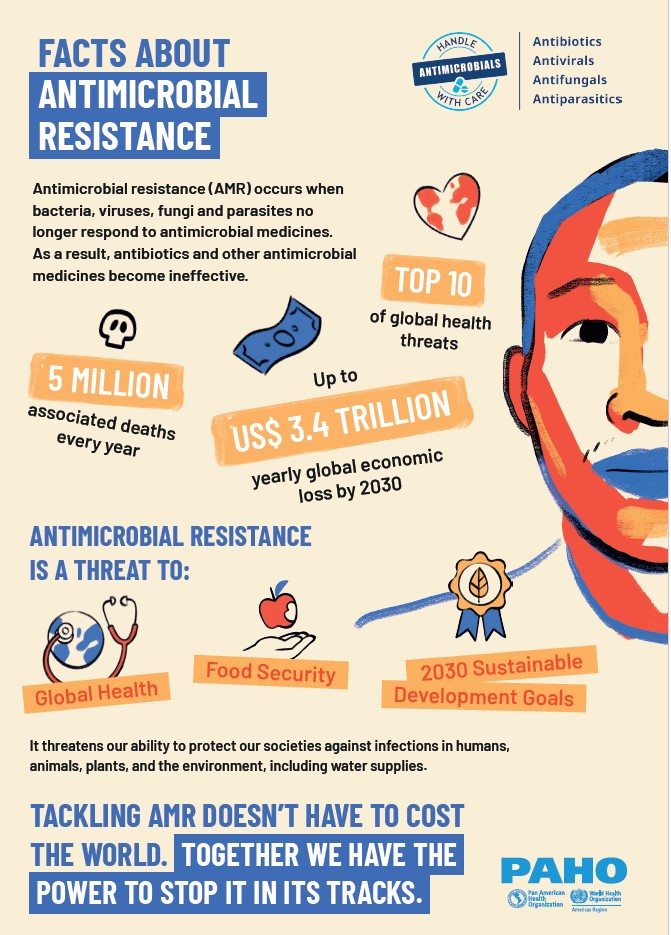
Patient Newsletter November 2024
Welcome to Ringmead Medical Group patient newsletter.
Our aim is to keep you informed of items of news, patient information or health events, new members of staff, changes and updates for the practice. We are working with our PPG (patient group) to develop a newsletter and other forms of patient communication to keep you better informed about Ringmead Medical Group.
Ringmead Medical Group have progressed greatly in many areas since the merger with Sandhurst Group practice in July 2023, and subsequent CQC assessment in February 2024. We are well on the way to enhancing the quality-of-care provision to a high level in the area, as well as adhering to the requirements set by CQC
We have met, and will continue meeting, with the Patient Participation Group regularly, ICB quality team, the local pharmacist (ensuring the least convenience to patients and timely dispensation of medications), and more recently, the local councillors and new MP, sharing the progress, ideas and challenges.
We are delighted that we now have stable staffing, and although recruitment has been challenging, over the past few months have taken on 5 new doctors, 3 new nurses, 3 Health Care assistants, various new administrators, many new “receptionists” and more being interviewed for the vacant positions.
As a result of all the considerable efforts of the whole team, we now have repeat prescriptions turnaround at 3 days, and many even quicker, reviews are being carried out in a timely way, and poorly controlled or new patients with chronic diseases are being managed as per guidance.
October activity worth noting:
- Friends and Family test & NHS Reviews results 87% rate us 5 star
- Online Klinik forms submitted 5839
- Online Consultation feedback 90% excellent or good
- Appointments 15222, equally spread over the 5-sites, 50% face -to-face
- Did not attend 402
- Over 384 home visits carried out
- Telephone calls received 15656
- Referrals made 1523
- 12,761 prescriptions processed,
- turnaround within 48 hrs of those that didn’t need altering or were complex
- over 9000 vaccinations carried out so far in the NHS programme for flu and Covid, (RSV being planned in specific clinics). NB those that haven’t should let reception know as we have doses aside for those eligible
Recent example of Facebook feedback:
“Ringmead are totally amazing, kind, caring and all receptionists are
fantastic and they have cared for me so well”,
“Ringmead are amazing so far!”
But we do realise we still have some way to go and continue striving to achieve our aim to provide personal, professional, caring, and high-quality patient-centred services to patients and their families
Access:

Access to the surgery can be in many ways as per the “New NHS model of General Practice for patients”
- Online: Klinik
- Phone
- Walk-in
Those not able/keen to use the online Klinik form can call, and the receptionist will complete the form on-line for them
But note that the more that use the online consultation form, the more it frees up lines for those that cannot
The online Klinik form can be used for any urgent or non-urgent advice. This then
- Misses out the receptionist
- Goes directly to a clinician usually a GP
- Triages detail submitted on same session/day, usually within minutes
- Actions best next course of action for patient
- To right team, clinician, another service
- Make face-to-face appointment
- Telephone call/video consultation
- Arrange a home visit
- Email or Text Message to deliver paperwork eg sick note, letter
Consultations:
In the New Model of General Practice, these can be via Face-to-Face appointments, via the phone, by Video, text message or email, or by referral to another appropriate service.
We ensure that all of our clinical team work within their competence such that only those that are accredited and trained consult with patients e.g. minor illnesses, mental health problems, health checks, complex care, new cancer diagnoses, etc. All are always supervised by GPs who work alongside providing care that is appropriate.
Ongoing innovative and new initiatives are Dermatology Clinics, Menopause Group Consultations (more next year in other health areas), Women’s Health Clinics, Health Checks, minor surgery clinics, joint injection clinics, Saturday appointments, amongst others. We are planning newsletters detailing new staff, health promotion, and services that we offer in the coming months to all our patients as well.
Pharmacy First:
Another service available is that from Pharmacists who can offer advice and prescribe medication if appropriate on a range of illnesses within age categories, such as coughs, colds, sore throats (for those 1+ years old), sinus and ear infections (1-17), skin infections (1+), urine infections (16-64), shingles (18+) and aches and pains (any age). If you are not within these age ranges, a pharmacist can still offer advice and support decisions about self-care treatment with over-the-counter medicines.
They can also give advice about medicine and if they cannot help you themselves, they can refer you to a GP or other health professional.
Healthier Together App: an extremely useful mobile device app designed to educate and empower parents to make an informed choice about where, when and how quickly to access healthcare services. If your child is unwell and needs to be seen by a healthcare professional, instead of calling your GP surgery, this advises what to do.
There has been an increase of general practice workload by 36% in the last 5 years, but even then, together, we are making good progress in managing patients in a timely manner. We always welcome feedback and ideas from patients and families in the usual way and thank you all for your patience and understanding.
Patient Newsletter November 2024
Welcome to Ringmead Medical Group patient newsletter.
Our aim is to keep you informed of items of news, patient information or health events, new members of staff, changes and updates for the practice. We are working with our PPG (patient group) to develop a newsletter and other forms of patient communication to keep you better informed about Ringmead Medical Group.
Ringmead Medical Group have progressed greatly in many areas since the merger with Sandhurst Group practice in July 2023, and subsequent CQC assessment in February 2024. We are well on the way to enhancing the quality-of-care provision to a high level in the area, as well as adhering to the requirements set by CQC
We have met, and will continue meeting, with the Patient Participation Group regularly, ICB quality team, the local pharmacist (ensuring the least convenience to patients and timely dispensation of medications), and more recently, the local councillors and new MP, sharing the progress, ideas and challenges.
We are delighted that we now have stable staffing, and although recruitment has been challenging, over the past few months have taken on 5 new doctors, 3 new nurses, 3 Health Care assistants, various new administrators, many new “receptionists” and more being interviewed for the vacant positions.
As a result of all the considerable efforts of the whole team, we now have repeat prescriptions turnaround at 3 days, and many even quicker, reviews are being carried out in a timely way, and poorly controlled or new patients with chronic diseases are being managed as per guidance.
October activity worth noting:
- Friends and Family test & NHS Reviews results 87% rate us 5 star
- Online Klinik forms submitted 5839
- Online Consultation feedback 90% excellent or good
- Appointments 15222, equally spread over the 5-sites, 50% face -to-face
- Did not attend 402
- Over 384 home visits carried out
- Telephone calls received 15656
- Referrals made 1523
- 12,761 prescriptions processed,
- turnaround within 48 hrs of those that didn’t need altering or were complex
- over 9000 vaccinations carried out so far in the NHS programme for flu and Covid, (RSV being planned in specific clinics). NB those that haven’t should let reception know as we have doses aside for those eligible
Recent example of Facebook feedback:
“Ringmead are totally amazing, kind, caring and all receptionists are
fantastic and they have cared for me so well”,
“Ringmead are amazing so far!”
But we do realise we still have some way to go and continue striving to achieve our aim to provide personal, professional, caring, and high-quality patient-centred services to patients and their families
Access:
Access to the surgery can be in many ways as per the “New NHS model of General Practice for patients”
- Online: Klinik
- Phone
- Walk-in
Those not able/keen to use the online Klinik form can call, and the receptionist will complete the form on-line for them
But note that the more that use the online consultation form, the more it frees up lines for those that cannot
The online Klinik form can be used for any urgent or non-urgent advice. This then
- Misses out the receptionist
- Goes directly to a clinician usually a GP
- Triages detail submitted on same session/day, usually within minutes
- Actions best next course of action for patient
- To right team, clinician, another service
- Make face-to-face appointment
- Telephone call/video consultation
- Arrange a home visit
- Email or Text Message to deliver paperwork eg sick note, letter
Consultations:
In the New Model of General Practice, these can be via Face-to-Face appointments, via the phone, by Video, text message or email, or by referral to another appropriate service.
We ensure that all of our clinical team work within their competence such that only those that are accredited and trained consult with patients e.g. minor illnesses, mental health problems, health checks, complex care, new cancer diagnoses, etc. All are always supervised by GPs who work alongside providing care that is appropriate.
Ongoing innovative and new initiatives are Dermatology Clinics, Menopause Group Consultations (more next year in other health areas), Women’s Health Clinics, Health Checks, minor surgery clinics, joint injection clinics, Saturday appointments, amongst others. We are planning newsletters detailing new staff, health promotion, and services that we offer in the coming months to all our patients as well.
Pharmacy First:
Another service available is that from Pharmacists who can offer advice and prescribe medication if appropriate on a range of illnesses within age categories, such as coughs, colds, sore throats (for those 1+ years old), sinus and ear infections (1-17), skin infections (1+), urine infections (16-64), shingles (18+) and aches and pains (any age). If you are not within these age ranges, a pharmacist can still offer advice and support decisions about self-care treatment with over-the-counter medicines.
They can also give advice about medicine and if they cannot help you themselves, they can refer you to a GP or other health professional.
Healthier Together App: an extremely useful mobile device app designed to educate and empower parents to make an informed choice about where, when and how quickly to access healthcare services. If your child is unwell and needs to be seen by a healthcare professional, instead of calling your GP surgery, this advises what to do.
There has been an increase of general practice workload by 36% in the last 5 years, but even then, together, we are making good progress in managing patients in a timely manner. We always welcome feedback and ideas from patients and families in the usual way and thank you all for your patience and understanding.
Ringmead Medical Group statement as follows:
Ringmead Medical Group accepts the findings of the CQC in its report which was published on Friday (9th August), relating to an inspection in February and March this year.
“All of us at Ringmead are committed to making our services better for our patients and since the CQC inspection we have been working extremely hard - and continue to do so - to make the improvements required”.
“On 1st July last year, Ringmead Medical Practice and Sandhurst Group Practice merged to form Ringmead Medical Group.
“The new practice is a five-surgery practice, providing primary care services to more than 42,000 residents of Bracknell, Crowthorne, Sandhurst and Owlsmoor.
“Since the merger our team has been working incredibly hard to not only integrate the different staff, processes and teams together but also to continue to deliver day-to-day health services to our patients, at a time of sustained high demand. This has been a huge task and has created considerable extra demand on our already busy practice team.
“Despite this, we have been making improvements to our systems to benefit our patients. We have introduced a new digital triage system – Klinik – part of enhancing patient access to services and increasing capacity within the practice to be able to respond to more patient enquiries in a timely way.
“We were an early adopter of the NHS app, giving our patients easy 24/7 access to health services and information. We have also made great strides in reducing the backlog of prescriptions which needed to be reviewed.
“To demonstrate the level of activity, in June 24 alone, Ringmead Medical Group reviewed 13,742 online consultations (around 60% increase since March 24), provided 7,030 face-to-face appointments, held 7,065 telephone consultations, made 1,509 referrals for treatment, conducted 1,660 blood tests (similar to March 24) and issued 12, 057 prescription items.
“Since the CQC inspection in February 2024, we have developed an action plan to tackle the areas the CQC team identified: We have already carried out multiple outstanding patient reviews and set up new processes to improve our management of some patient groups; We have completed most of the outstanding refresher training for staff where required, to ensure our team provides the best and safest care, armed with the latest information; We have reviewed our complaints process so that patients can be assured that their voices are heard and the practice learns from their experiences; We have firmed up our recruitment, employment and training processes, and; We haveprogressed the programme of workaround the facilities at our different sites, such that we are now at the stage required by the regulations.”
“Dr Anant Sachdev, Senior GP Partner at Ringmead Medical Group, said: “An unbelievable amount of work has been carried out by the team here at Ringmead in recent months, and am pleased to say that we have already addressed many of the recommendations and findings by the CQC. Work will continue at pace still,but we appreciate we still have some way to go to stabilise the merged practice to the standard we are aiming for. In addition to employing many more permanent doctors and nurses, we have also employed new staff including managers to help manage the practice. We have already progressed the processing of outstanding work such as illness and medication reviews and putting in place processes to ensure there is safety and high quality of care delivered by the practice.
“We’re all committed to making our services better for our patients and we also want Ringmead to be a great place to work. We realise, however, that improvements on the scale we’re working at do not happen overnight. We still have a way to go and the CQC report is part of identifying those areas where we need to do better.
“Ringmead patients should rest assured that while we are working on the improvements, access to, and delivery of day-to-day services and treatments remains the same and we would encourage anyone with any new or ongoing healthcare concerns to contact us in the normal way.”
Ringmead Medical Group is committed to maintaining high standards of patient centred care and ongoing quality and improvement. We continue our good relationship with Ringmead Medical Group patient participation group (PPG) and meet regularly with them to keep them informed of our action plan and progress.
Frequently Asked Questions (FAQs)
What does the rating mean?
The rating of Requires Improvement means the inspectors have identified areas in which they want us to make changes to meet the required standard and have also commented on areas that are good. Together, we have agreed an action plan that will facilitate the practice in achieving the desired rating within the next 12 months.
Are the services I receive from the practice safe?
The Care Quality Commission (CQC) inspects us in very fine detail across all aspects of our work in order to certify us to provide general practice healthcare services to our patients. Inspections are a key way of monitoring quality and safety and identifying areas where practices need to improve. On inspection, CQC rated some areas of care provision as good with many positive findings as detailed in their report. However, under the safety section of the report the inspectors identified areas for improvement. Patient safety is of paramount importance to us, and we are pleased to say that we have already addressed many of the points raised and are working hard to ensure any remaining concerns are resolved as soon as possible.
Please let us know if you ever have any concerns over the safety of any of the health services you receive from us.
Will I still be able to get an appointment/see a GP at Ringmead?
Your access to our day-to-day healthcare services is not affected. If you need to contact us for advice about any new or ongoing health concerns, please contact the practice in the usual way.
We would strongly recommend getting in touch with us for any reviews or health checks that patients feel haven’t been completed in a timely way, and we shall appoint them as appropriate with the right health professional.
Should I have had a medication review?
Medicines are prescribed by designated healthcare professionals in very specific circumstances and in response to individual clinical need. Medication reviews are a way of ensuring a person’s medication is still appropriate, particularly if that person’s circumstances have changed i.e. whether their condition has improved or worsened, whether they have begun taking other medications, etc. Older people, people with long-term conditions and those on multiple repeat medications are most likely to be invited to have regular reviews over the next few months. Patients can request a review if they are concerned about their medication or their reaction to it.
What does the report mean for me as a patient of Ringmead Medical Group?
The report and the work we’re now involved in are part of monitoring and improving the way we work and deliver services. It does not impact on your relationship with us.
Will Ringmead be taking new patient registrations?
Yes. New registrations are not affected. You can find information on registering with the practice here: https://www.ringmeadmedicalpractice.org.uk/joinpractice
How has the merger impacted the practice’s performance?
The merger of Ringmead Medical Practice and Sandhurst Group Practice has been a considerable undertaking which has added to the workload of the team at the practice over the past year.
Combined with the responsibility of providing day-to-day health services to our patient population in the wake of the Covid-19 pandemic, with demand for services being extremely high, and significant workforce shortage (clinical and non-clinical), this has placed additional pressure on Ringmead Medical Group. Despite this, it remains the case that the merger was the best option and was fully supported by the NHS Integrated Care Board, to maintain the provision of primary care services for many thousands of people across Sandhurst and Owlsmoor. The alternative was a potential risk of a shortage of cover in the area otherwise, and patients having to register with alternative GPs. Once the merger transition has been fully completed, Ringmead Medical Group as a whole will be able to move forward and develop as a larger, more resilient practice for the benefit of all concerned – but has to be appreciated that this will take some time, although much progress has been made.
What has changed since the merger?
There have been many significant changes, with the alignment of merged practice processes and infrastructure – all aimed at benefitting patient access and care.
- We have adopted the online tool Klinik for those that are able to use online facilities, but the alternative way of contacting the practice still exists – in person, or by telephone.
- We have a new internet phone service with call-back facility. The introduction of this technology was enabled and supported by our local NHS commissioners, in line with advancements taking place at many other GP practices.
- We are continuing to promote the use of the NHS App by patients, which helps with ordering medication, checking results and notes, without the need to contact the practice in any way.
- We are employing and have employed new staff including 5 more permanent GPs (total 23 GPs), nurses, allied health professionals (paramedics, pharmacists), and administration team – to increase capacity of urgent and routine appointments and help with processing of prescriptions, incoming mail, and quality work internally. For example, in June 24 (a snapshot of a single month):
- 13,742 online consultations received
- 7,030 face-to-face appointments
- 7,065 telephone consultations
- 1,509 referrals made
- 1,600 blood tests taken
- 12,057 prescription items issued
- We have appointed care coordinators since the merger who are contacting patients for reviews, health checks, immunisations, and cancer screening appointments.

You may notice a test result appear in your NHS app test results page referring to segmentation (Recorded as “Johns Hopkins adjusted clinical groups system score”). Segmentation is a simple way of categorising patients based on their specific health needs. It helps us as a practice understand the individual needs of our patients based on their health and wellbeing to support personalised care and ensures you get the right support in a timely way. There is no action required from you in relation to this comment on result”’.
You may notice a test result appear in your NHS app test results page referring to segmentation (Recorded as “Johns Hopkins adjusted clinical groups system score”). Segmentation is a simple way of categorising patients based on their specific health needs. It helps us as a practice understand the individual needs of our patients based on their health and wellbeing to support personalised care and ensures you get the right support in a timely way. There is no action required from you in relation to this comment on result”’.
Shingles vaccine
The shingles vaccine helps protect against shingles. It's recommended for people at higher risk from shingles, including all adults turning 65, those aged 70 to 79 and those aged 50 and over with a severely weakened immune system.
What the shingles vaccine is for
Shingles is a common condition that causes a painful rash. It can sometimes lead to serious problems such as long-lasting pain, hearing loss or blindness.
You're more likely to get shingles, and it's more likely to cause serious problems, as you get older or if you have a severely weakened immune system.
The shingles vaccine helps:
- reduce your chances of getting shingles
- reduce your chances of getting serious problems if you do get shingles
Who should have the shingles vaccine
The shingles vaccine is recommended for some older adults and people with a severely weakened immune system.
People who turn 65 on or after 1 September 2023
From 1 September 2023, you're eligible for the shingles vaccine when you turn 65.
You'll be offered 2 doses of the vaccine. These are given between 6 and 12 months apart.
Your GP should contact you to make an appointment to have your shingles vaccine. Contact your GP surgery if you think you're eligible for the shingles vaccine and you've not been contacted about it.
You'll remain eligible until your 80th birthday.
Information:
If you turned 65 before 1 September 2023, you'll be eligible for the shingles vaccine when you turn 70.
People aged 70 to 79
Everyone aged 70 to 79 is eligible for the shingles vaccine.
Depending on the type of vaccine you have, you'll have either 1 dose or 2 doses (given between 6 and 12 months apart).
Contact your GP surgery if you missed your vaccine. You're eligible up until your 80th birthday.
People aged 50 and over with a severely weakened immune system
You're eligible for the shingles vaccine if you're aged 50 or over and you're at higher risk from shingles because you have a severely weakened immune system.
This includes:
- some people with blood cancer (such as leukaemia or lymphoma)
- some people with HIV or AIDS
- some people who've recently had a stem cell transplant, radiotherapy, chemotherapy or an organ transplant
- people taking certain medicines that severely weaken the immune system
You'll be given 2 doses of the shingles vaccine. These are given between 8 weeks and 6 months apart.
Ask your GP or care team if you're not sure if you're eligible for the shingles vaccine.
For patients with a normal immune response - to check your eligibility, please follow this link: Immunocompetent patients: timeline for the phased implementation of the change to eligible age (publishing.service.gov.uk)
For patients who are aged 50 and over and immunocompromised – to check the eligibility criteria, please follow this link (page 7): Green Book on immunisation - Chapter 28a shingles (publishing.service.gov.uk)
Menopause awareness is a very ‘hot topic’ at the moment and we are very fortunate that our Patient Participation Group has a member who is very active volunteering for ‘Menopause Support’. (A not for profit community interest company).
‘Menopause Support’ have produced an extremely easy to read, informative, evidence based booklet entitled ‘Understanding the Menopause.’
All patients in the Ringmead Medical Group and their families may find it helpful. The guide is available on Patient Group section and it has been added to the British Menopause Society Website too.
There is also a short animated film about the menopause that can be accessed via the link below:- it really does affect woman in different ways. Please take 5 minutes to watch it as it may help you or someone who you care for.
youtube.com | Watch Cycle of Change; Understanding Menopause
There are two ways people can make a complaint about GPs, dentists, opticians or pharmacies:
o They can complain to the healthcare provider: this is the organisation where they received the NHS service, for example a GP practice, a dental practice, a community pharmacy or an optometry practice or
o They can complain to the commissioner of the service: this is the organisation that paid for the service or care they received.
After 1 July 2023 if people want to make a complaint about primary care services to the commissioner, the way to do this is changing. Rather than contacting NHS England, people will contact the Complaints team via new contact details below:
South East Complaints Hub
NHS Frimley ICB
Aldershot Centre for Health
Hospital Hill
Aldershot
Hampshire
GU11 1AY
Phone number: 0300 561 0290
Email address: frimleyicb.southeastcomplaints@nhs.net
As each email received is so important to the team, an acknowledgement to all complaints will be sent as soon as possible.
Information governance regulations mean that the emails sent to the old email address after 1 July, cannot be automatically forwarded and the inbox will not be accessible. People will therefore receive an automatic response, asking them to resend their email to the new address.
Members of the public with ongoing complaints received after 1 July 2022 will receive a letter from NHS England informing them that the Complaints team based in the South East Complaints Hub, hosted by NHS Frimley ICB will now be handling their complaint with confirmation of their case handler. We would like to reassure you that the current team and case handler will remain the same as the staff move organisation.
Members of the public will still be able to make a complaint to the provider. This is NOT changing. There is also no change for people wishing to make a complaint for specialised services, health and justice, screening and immunisations and Continuing Healthcare.

Please click the link below to download the NHS App.
Please click the link below to download the NHS App.
Tuesday, 20th June, 2023
Press release
Ringmead Medical Practice and Sandhurst Group Practice Merger
Ringmead Medical Practice and Sandhurst Group Practice are excited to announce that they are merging on the 1st July, 2023.
The two practices will come together to form Ringmead Medical Group, combining their management and clinical teams to be more resilient and to offer patients a wider choice of services. The letter sent to all patients can be found here at Ringmead Patient Letter
Ringmead Medical Practice already delivers services from three sites in Bracknell Forest; the main site at Birch Hill Medical Centre, a branch surgery at Great Hollands Health Centre and one at Heath Hill Road, Crowthorne. In addition to these sites, the merged Group will continue to deliver services from the Sandhurst sites at Owlsmoor and York Town Road.
The newly merged practice will have a new phone number – 0333 332 0008. Calls to the existing number will be automatically diverted to the new number for a period of time to ensure patients can continue to access the practice.
The practice has extensive experience and a proven track record in delivering quality services across more than one surgery. Ringmead Medical Practice has 9 partners, and is rated “Good” by the Care Quality Commission, the national regulator. More information about Ringmead Medical Practice can be found here: Ringmead Medical Practice
Dr Anita Vakil, Sandhurst GP Partner said: “Both Practices share the same values and commitment to delivering quality clinical care and this merger will help to deliver improved access and choice for our patients. We look forward to the merger and working together to deliver healthcare services for the Sandhurst population.”
Dr Anant Sachdev, Executive Partner at Ringmead Medical Practice said: “We are fully committed to providing excellent healthcare services for patients in the Sandhurst area and are excited by the opportunity this offers local residents and staff, as we share skills, experience and innovations. Our ultimate goal is to provide an enhanced patient experience.”
Nicola Airey is Director of Strategic Commissioning and Assurance and Bracknell Forest Place Convenor for NHS Frimley Integrated Care Board, the local health service commissioner. She said: “the purpose of the merger is to provide GP services in Sandhurst that are sustainable and offer people the good access, high-quality, personalised, and friendly service they want. We, at the ICB, would like to express our thanks for the hard work and commitment from both Ringmead Medical Practice and Sandhurst Group Practice throughout the merger process and in a very short timeline, and we look forward to supporting the work of the practice team in improving care to its population.”
Ringmead Medical Practice have arranged a public event for Monday, 10th July at 7pm in the Sixth Form Atrium at Edgbarrow School, Grant Rd, Crowthorne RG45 7HZ , where patients will have the opportunity to meet the Ringmead team and to ask questions about the merger. All are welcome. See the following link for directions to the school. https://goo.gl/maps/MSX1PqGqm4UK5ArA7
All patients registered at both practices will be sent a formal notification of the merger and a link to a patient survey. The survey will not take long to complete, and all answers are anonymous. The feedback you provide is important to shaping future services for the Sandhurst Population.
To access the patient survey, please click the following link, https://mysay.is/RingmeadMedical. You can also email ringmeadmedicalpractice@nhs.net or admin.sandhurst@nhs.net or collect a copy of the survey in any of the practice sites.
If you have any questions, please see the Frequently Asked Questions and answers available on the practice websites: Sandhurst Patient FAQs and Ringmead Patient FAQs.
Alternatively, please email ringmeadmedicalpractice@nhs.net with your enquiry.
Contact: Diana Lock - Practice Business Manager, Ringmead Medical Practice
Email:
Great News – Improved Telephone System coming soon!
As part of Ringmead Medical Practice’s ongoing commitment to ensuring quick access to quality care, we are upgrading our telephone system.
As of the Wednesday 3rdMay the new telephone number you must call to access your GP services will be 0333 332 0008.
This new number will be the same for all our locations. The call queuing system will also be the same, but please listen carefully to the call instructions.
To ensure you can continue to access the practice, the old number will be diverted to the new 0333 332 0008 number for a period of time.
If you have any queries or concerns, please let reception staff know and they will be happy to help.
Please visit our website www.ringmeadmedicalpractice.org.uk to find out more about the services and our contact details.
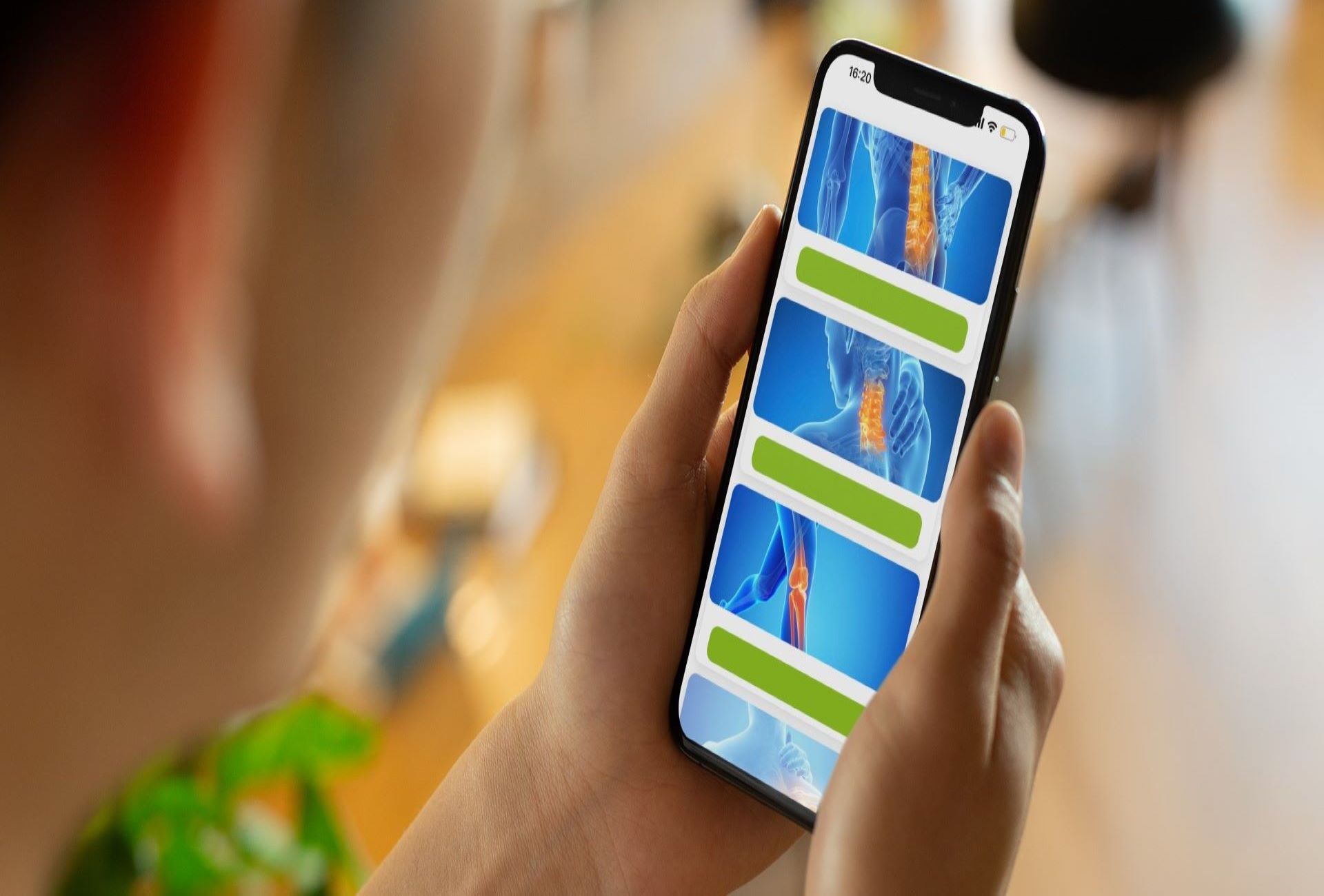
The getUBetter MSK app is provided free of charge by Frimley Health & Care ICS for registered patients at GP Practices. It can be accessed on a Smartphone or on the Web, and guides you day-by-day through a sequence of exercises, tips, and support to help you recover from a range of new, recurrent or long term conditions:
- Lower back pain
- Back and leg pain
- Neck pain
- Shoulder pain
- Ankle pain
- Knee pain
- Soft Tissue Lower Limb pain
- Hip pain
You can self-refer to the app by clicking on this link
Please use an email address that is unique to you and select the condition you need help to manage. We will then send you an email with all the information you need to get started.
You can download the getUBetter MSK app to your Smartphone for easiest access, or you can use the Webapp.
If you develop another condition, select your new condition from within the app and it will be added to your account.
Dr Streeter De Diego, local GP, Paediatric Doctor & Clinical lead Frimley Healthier Together, talks through what to do if you're worried and when to seek help.
Dr Streeter De Diego, local GP, Paediatric Doctor & Clinical lead Frimley Healthier Together, talks through what to do if you're worried and when to seek help.
A new prescribing hub is being launched, to serve the prescribing needs of the three sites that make up Ringmead Medical Practice – Birch Hill, Great Hollands and Crowthorne. This will be based in the Great Hollands site and will commence from Wednesday 28th September 2022.
What is the benefit of having a prescribing hub?
The hub will give a single point of service for all your prescription needs, providing continuity and a high level of service to all patients. It will simplify and streamline the prescription service, reducing wastage, liaising with pharmacies, synchronising repeat prescriptions, undertaking medication reviews and empowering patients to take control of their prescriptions and medications.
Will this affect how I order and collect my prescription?
No. You can still drop your repeat prescription into your normal surgery
How can you help your practice?
The best way to request a repeat prescription is Online. Our Online Services can help you request repeat medication at your convenience with automated delivery of your prescription to your preferred pharmacy. For online Access please use the NHS App but if you currently use Patient Access please click here.
Make sure your GP practice has your up-to-date contact number so the prescription team can contact you if they need further information about your request.
Order at least three days before your medication is needed to ensure your prescription arrives at your chosen pharmacy in time.
Only order the items you need for the next month to avoid having large stocks of medication at home.
If you order a number of medicines, it is easier for your GP practice if you order them all at the same time. If you need help making sure that all your medicines run out at the same time, please contact the prescription team at the hub using Klinik on our website www.ringmeadmedicalpractice.org.uk
How to Order Your Prescription
- Order using your patient access account. If you don’t have an account and would like to use the online service please contact us for further information.
- Order through your local pharmacy
- Deliver or post repeat slip to your practice.
- Repeat prescription requests cannot be taken over the phone.
What if I have a question?
- Contact the prescription hub for medication related queries using Klinik on our website
- Call the prescription hub 9am-12pm (and from October, the line will also be open 3-5pm)
- You can also discuss medication queries at the Great Hollands site with a member from the hub between 8am-6.30pm
Watch this 5 min quick guide to registering with the NHS app
Watch this 5 min quick guide to registering with the NHS app
Frimley Health has launched a new electronic patient record system that is affecting the Accident and Emergency (A&E) departments at Wexham Park and Frimley Park Hospitals. Safety remains paramount, so please be patient with the staff. Waiting times are likely to be longer than usual.
Unless it’s an emergency remember there are lots of alternatives for you to make use of:
- Visit your local pharmacy
- During the day contact your GP practice via online consultation or phone
- Contact NHS 111 online, www.111.nhs.uk or dial 111. If you are calling NHS 111, please be patient. NHS 111 may advise you to contact your GP or its out-of-hours service or attend the Bracknell Minor Injuries Unit.
- For minor injuries, such as sprains and strains, suspected broken limbs, or minor head injuries, visit the Minor Injury Unit at Brants Bridge in Bracknell or the High Wycombe Urgent Care Centre – open 8 am-8 pm 7 days a week.
Anyone with a life-threatening condition should call 999. Help us to help you by seeking alternatives to A&E where it is safe to do so.
Unfortunately, we’re not able to access the hospital system to determine what stage your referral has got to and how long it will be before you are contacted. To find out where your referral has got to you will need to contact the relevant service at the hospital trust.
If your referral is with Frimley Health NHS Foundation Trust, you’ll find the relevant contact details on the trust website.
We’re sorry we can’t give you the information you need in this instance. Please contact us for any health concerns while you are waiting.
Frimley Health's new 24-hour telephone triage service supporting pregnant women and new mums goes live at Wexham Park Hospital on 28 April 2022.
The Maternity and Midwifery Advice and Support (MAMAS) Line is a collaboration with South Central Ambulance Service (SCAS) and provides a single point of contact for women from 16 weeks into their pregnancy through to 28 days postpartum.
A team of our midwives will give consistent, evidence-based advice to women who are concerned about their pregnancy or who think they may be in labour. They will signpost other callers to alternative services when appropriate.
From 28 April at Wexham Park, mothers and families should call 0300 013 2004 to contact MAMAS Line. The same number will be able to be used by Frimley Park families in a few weeks' time.
The team, which will be based at the SCAS northern headquarters in Bicester, Oxfordshire, will also monitor 999 calls, enabling them to provide support when needed and to offer guidance to paramedics on the road. Their expertise could result in some ambulance callouts being stood down, ensuring they are available to respond to other emergencies.
The scheme will replace separate telephone triage lines currently operating at Wexham Park and Frimley Park hospitals, ensuring all future calls are answered in a timely manner and improving the experience for women.
The initiative is another example of the Trust collaborating with our partners to improve services for our communities - one of our key strategic ambitions.
The new phone number will be shared with women in their maternity notes and widely publicised in our hospitals, clinics and in the community.
Debbie Simkin, Lead Midwife for the Telephone Triage Project, said: “This brand new and innovative pregnancy advice telephone line will give women and community clinicians access to 24-hour evidence-based, consistent advice and support from midwives via a single point of contact.
“It will maximise our clinical expertise and empower women during pregnancy, birth and the postnatal period.”
The Emergency Departments at Wexham Park and Frimley Park hospitals are currently experiencing an increasing level of demand which is likely to continue throughout this weekend. Please only attend if you have severe symptoms or suffering from a life-threatening condition. Check out our Know Where To Go guide for advice on how to get the help you need quickly and close to home. Remember, if it’s less than an emergency, call 111.
The Emergency Departments at Wexham Park and Frimley Park hospitals are currently experiencing an increasing level of demand which is likely to continue throughout this weekend. Please only attend if you have severe symptoms or suffering from a life-threatening condition. Check out our Know Where To Go guide for advice on how to get the help you need quickly and close to home. Remember, if it’s less than an emergency, call 111.